
Arc Flash Study (IEEE 1584)
Incident-energy calculation, arc-flash boundaries and label generation.
Protect people from arc-flash hazards
NEWATT calculates incident energy and arc-flash boundaries and produces the labels and PPE guidance needed for safe working.
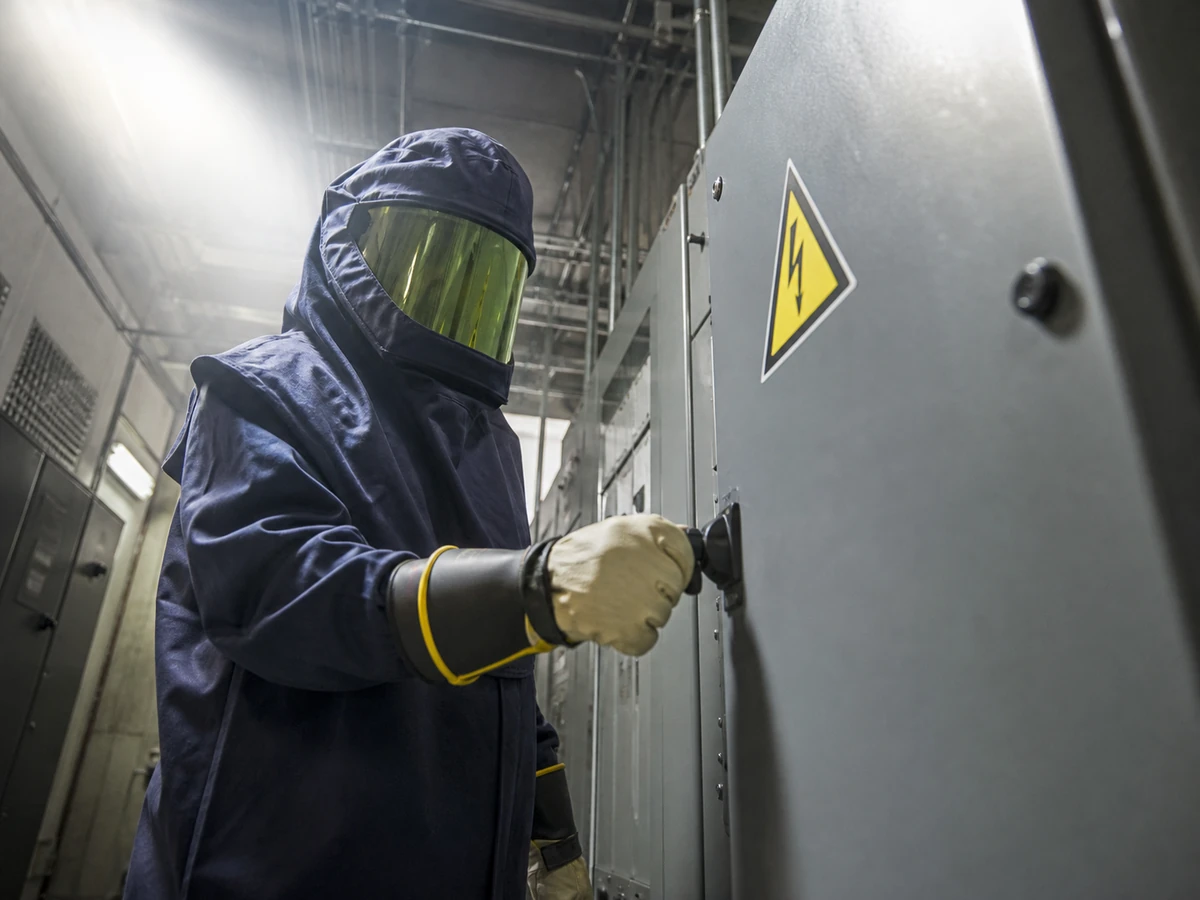
Study scope
Incident energy
Incident energy is calculated at every equipment location included in the study using IEEE 1584 methodology, based on the fault current and clearing time specific to that location from the short circuit and protection coordination studies, not a single system-wide assumption.
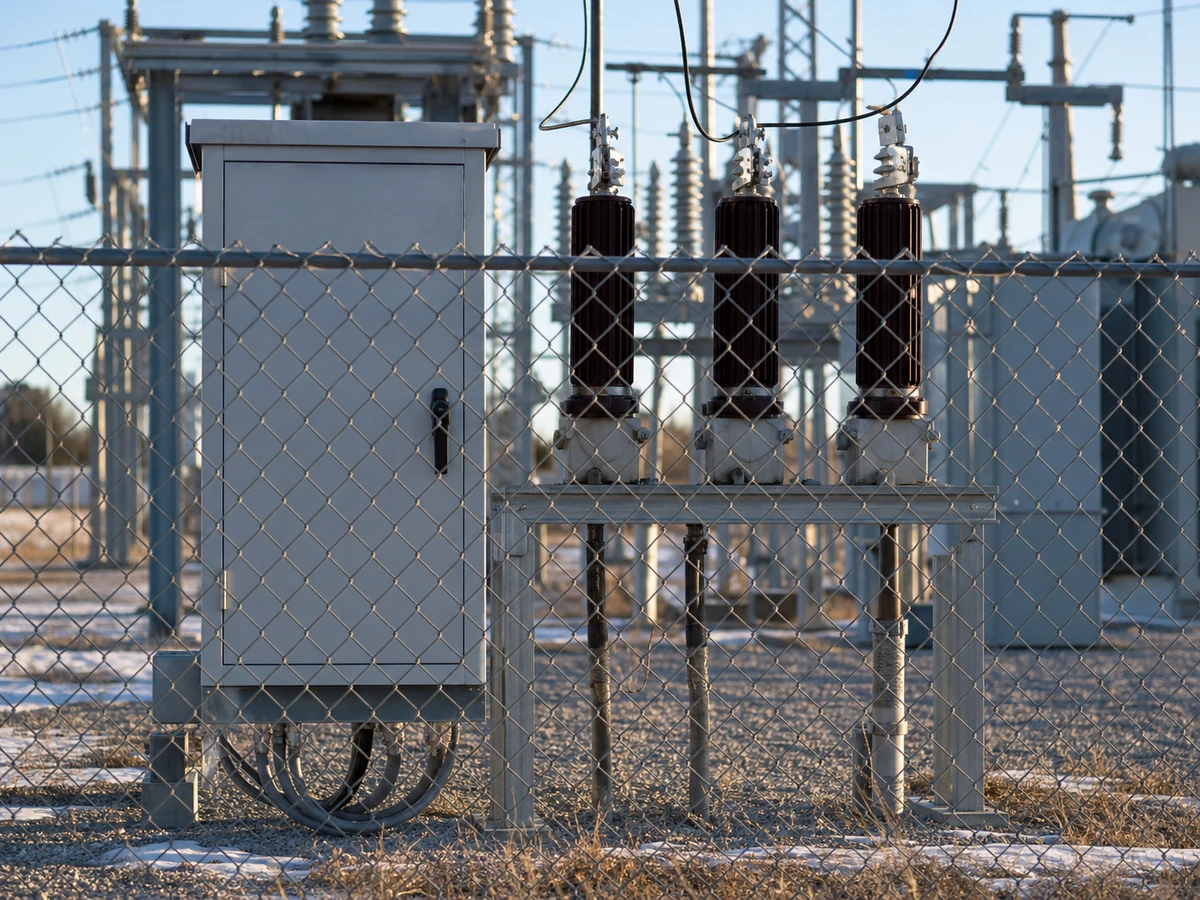
Arc-flash boundary
Arc-flash boundary and approach limit distances are calculated for each location studied, establishing the safe working distances that determine precautions required for different categories of work, consistent with the incident energy analysis behind them and referenced against NFPA 70E.
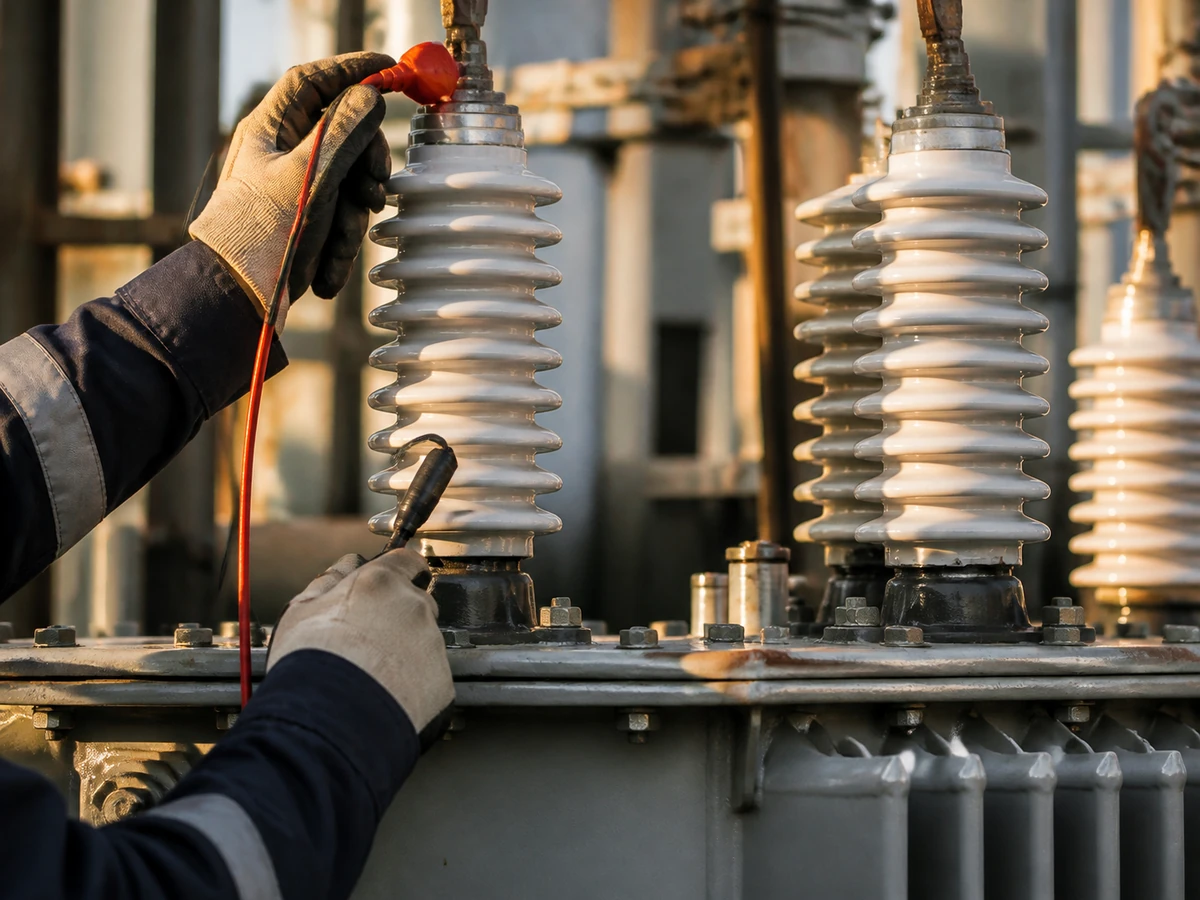
Label generation
Arc-flash warning labels are generated for every piece of equipment studied, showing incident energy, boundary distances and PPE category in the field-ready format required at the point of work, prepared for direct printing and installation on site.
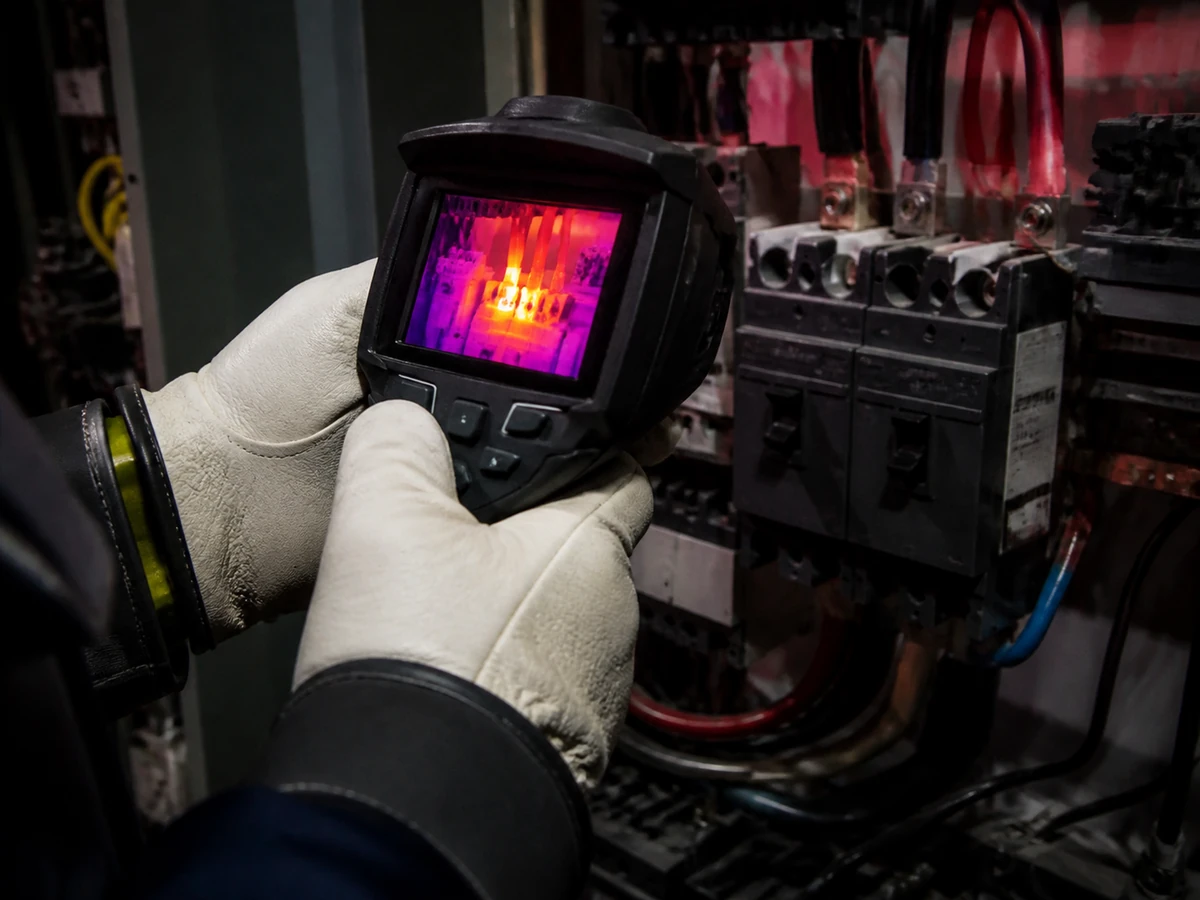
PPE category
PPE requirements are determined from the calculated incident energy against IEEE 1584 and NFPA 70E category tables, and where incident energy is high enough to be a genuine operational concern, we outline mitigation options that reduce exposure rather than just specifying heavier PPE.
How we deliver
Standards
Studies are performed to IEEE 1584 for incident energy calculation methodology and NFPA 70E for the resulting workplace safety requirements, with the specific edition of each standard documented since incident energy calculation methodology has evolved across recent revisions.
Software
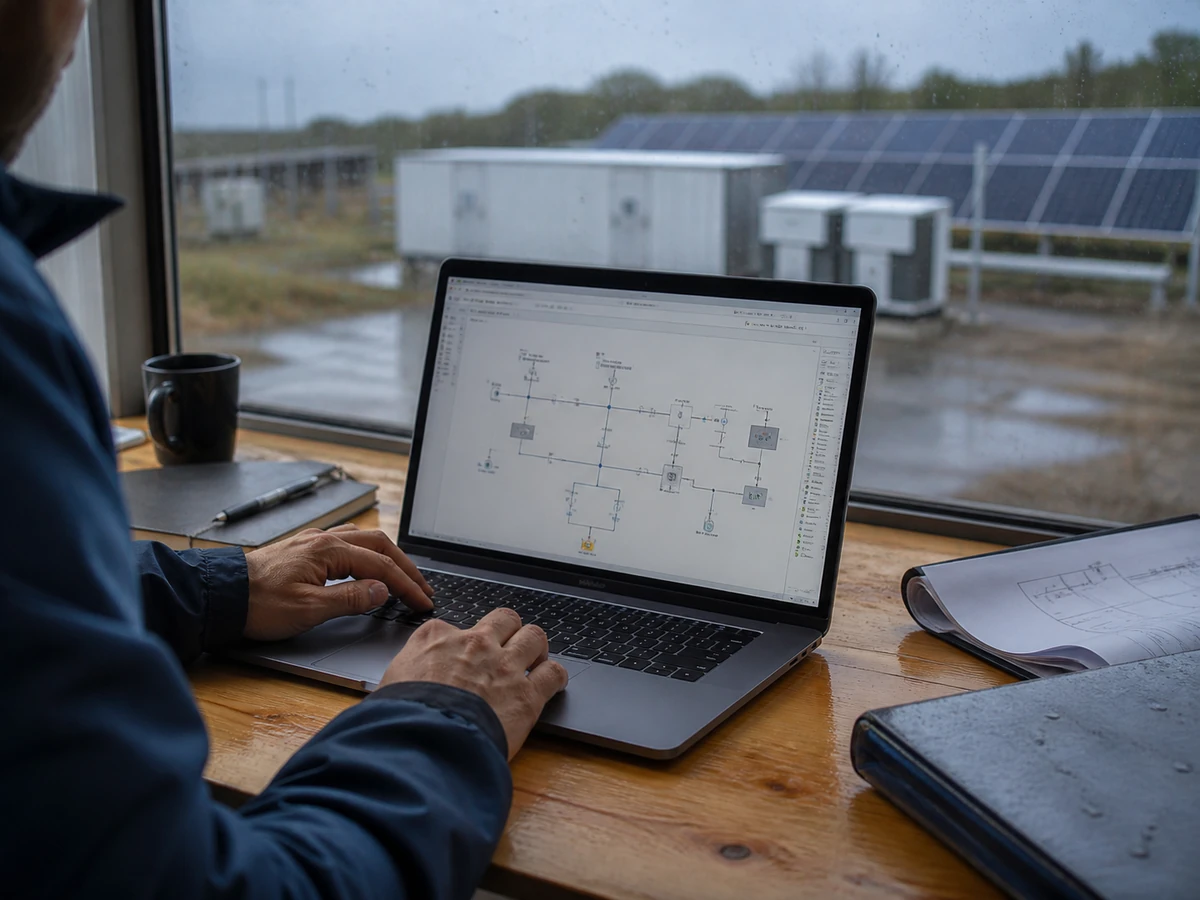
Arc-flash studies are performed in ETAP or EasyPower, built on the same network model used for the short circuit and protection coordination studies, so incident energy results are consistent with the actual protection settings that will clear the fault.
Outcomes
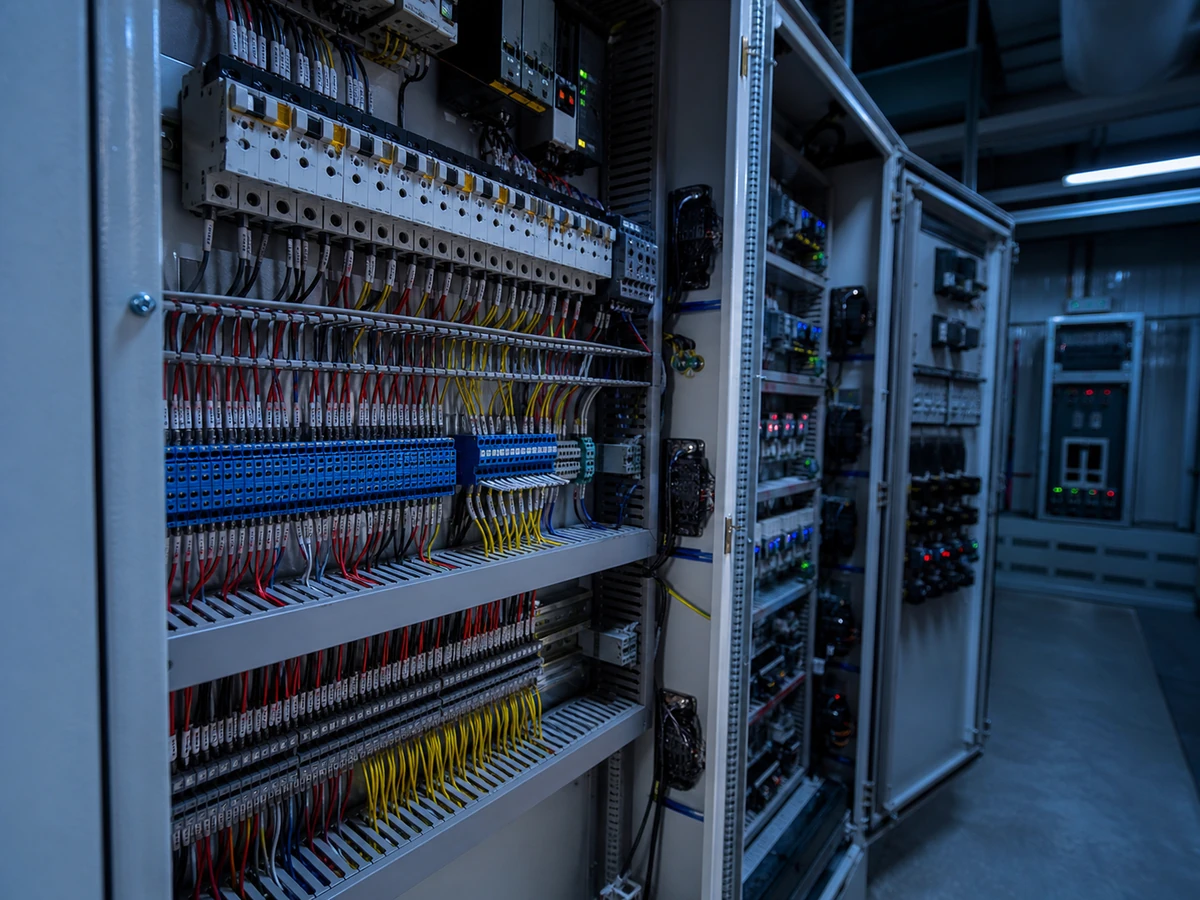
The study delivers labels, a PPE schedule and, where incident energy is elevated, a mitigation study identifying protection setting changes or equipment modifications that would reduce exposure for personnel who need to work on or near the equipment.