
Power engineering for demanding surface and underground operations
Mining operations run large motor loads continuously, in challenging environments, with strict requirements for power supply reliability and electrical safety. NEWATT delivers the power system studies and electrical design work that keep mining operations running safely and productively.
Our scope covers bulk power supply and distribution design, motor starting and voltage dip studies for large winding engines, crushers and mill drives, arc flash assessments across the mining electrical system, and protection coordination for multi-level distribution networks.

What this sector involves
The electrical engineering challenges in mining are in some ways more complex than in other industrial sectors: the supply network is long (from the surface substation to the working level), the loads are dominated by large, frequently started motors, and the environmental conditions place demands on equipment selection that above-ground industrial standards don't always address.
Motor starting is one of the most frequently mishandled aspects of mine electrical engineering: a voltage dip that looks acceptable at the starting motor's terminals can still trip motors elsewhere in the plant on undervoltage protection, stop a conveyor or cause a crusher to stall — consequences that take the whole process offline rather than just the starting circuit.
NEWATT's motor starting studies model the full plant network response to a motor start — voltage at every bus, current through every cable and switchboard, and the response of all other running motors — so that starting method selection, voltage regulation and protection settings are based on what will actually happen in the plant.

Typical scope for Mining Industry
- Bulk power supply & distribution
- Motor starting & voltage dip studies
- Arc flash to IEEE 1584
- Protection coordination
- Substation & switchgear design
- Power quality & harmonics
- Electrical safety audits
- Underground & surface distribution
Studies for mining operations
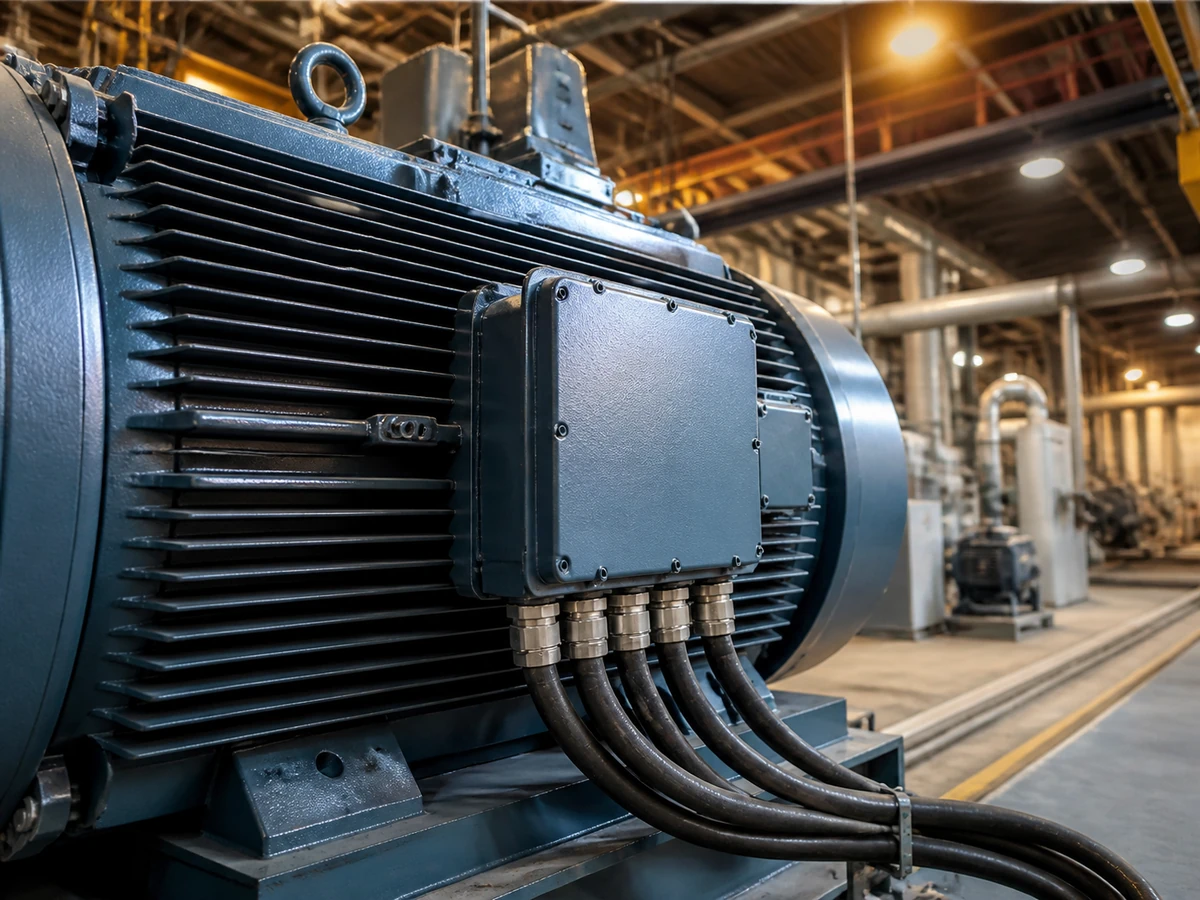
Motor starting & voltage dip
Full-plant voltage dip studies for large motor starts — winding engines, ball mills, crushers and conveyor drives — modelling the network response including the response of all running motors to the voltage dip, so that starting method, capacitor compensation and protection settings are designed from the real system response.
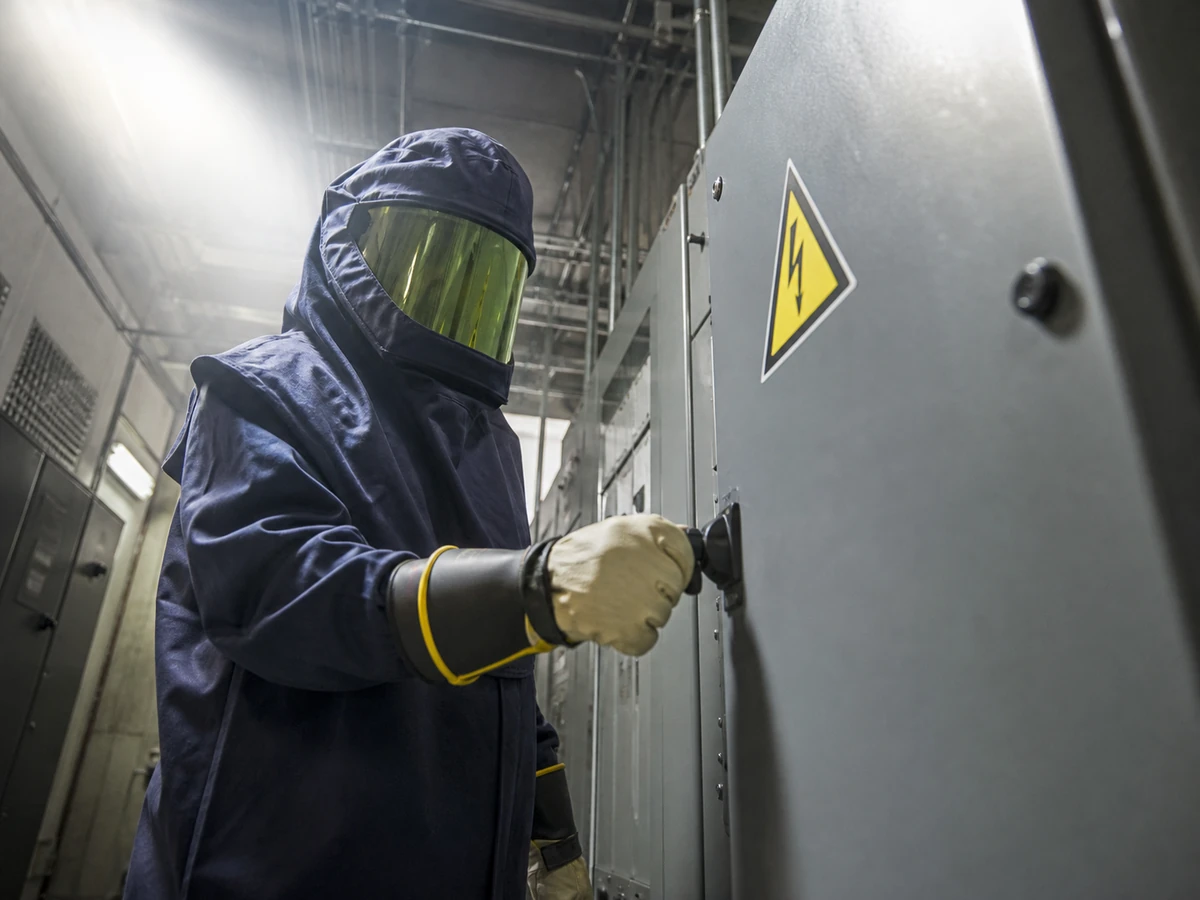
Arc flash to IEEE 1584
Incident energy studies for the full mining electrical system — surface intake substation through MV distribution to underground switchboards, load centres and motor control centres — with PPE category assignments calibrated to the actual protection clearing times.
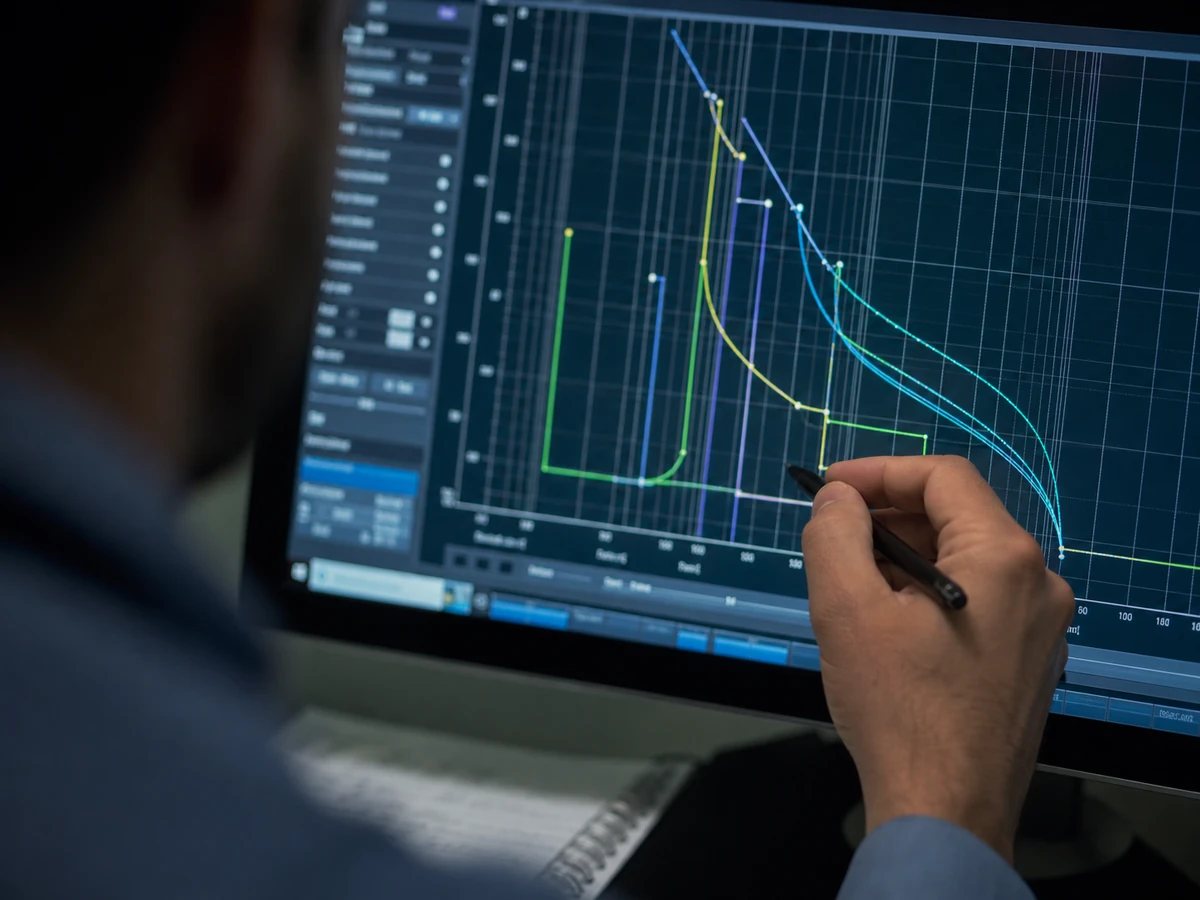
Protection coordination
Grading study for the full mining distribution network — from the utility supply point down through HV and MV switchgear to underground LV distribution — ensuring that faults at every level are cleared by the closest upstream device with adequate margin to all downstream devices.
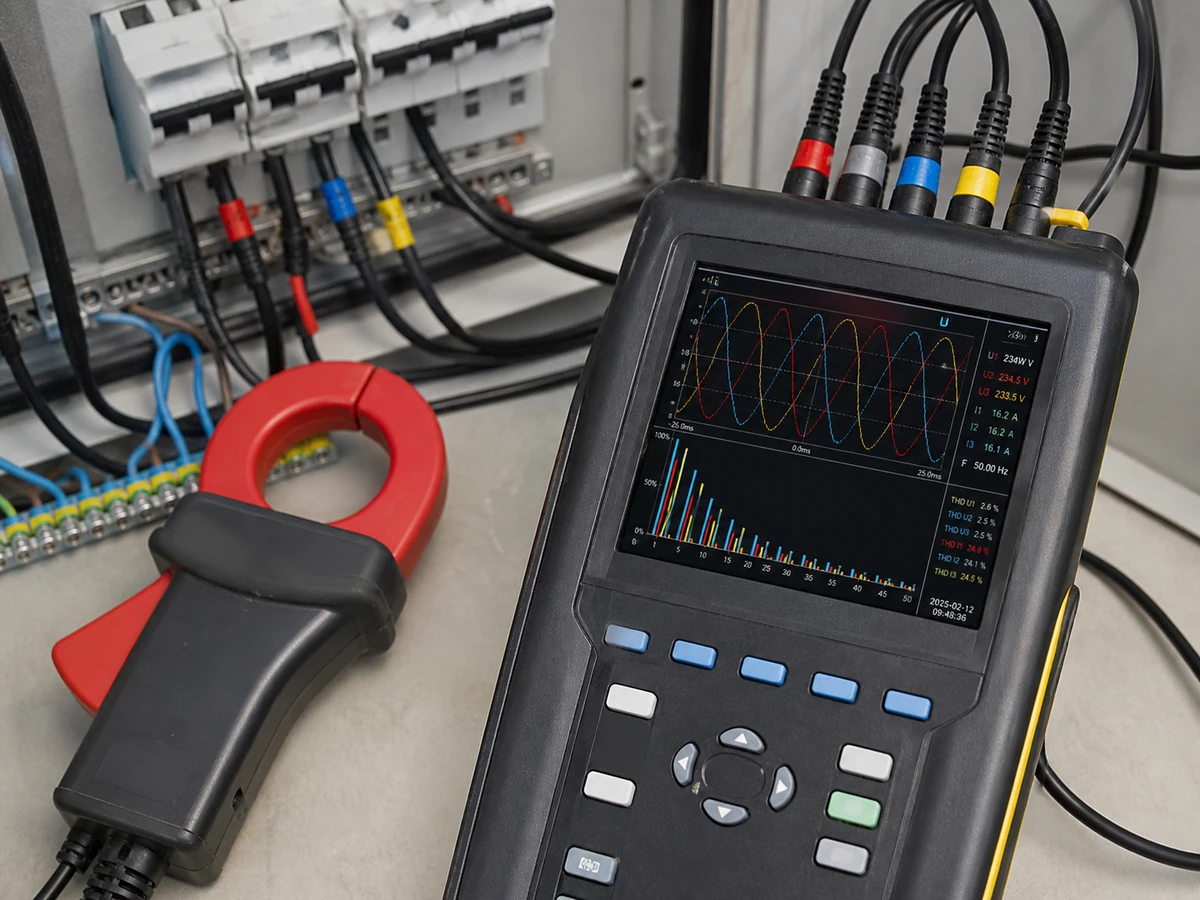
Power quality & harmonics
Harmonic distortion assessment for variable-speed drives on conveyor systems, hoists and ventilation fans — checking whether individual drive harmonics, or the aggregate from multiple drives, exceeds IEEE 519 limits at the point of connection to the utility or to sensitive process instrumentation.
Infrastructure design for mines
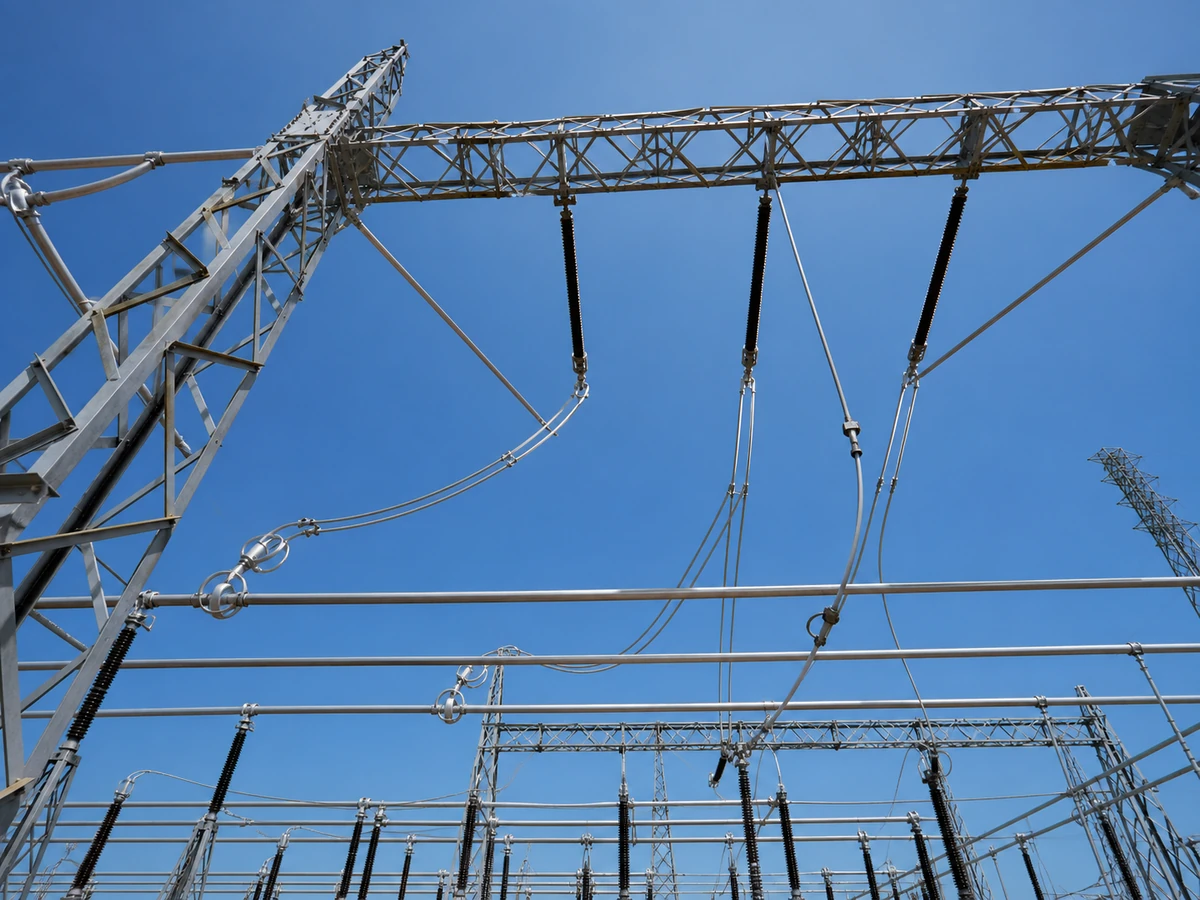
Bulk power supply & substation design
Incomer substation and MV distribution design for new mine developments or expansions — transformer sizing for current and future load, switchgear selection for the fault levels and earthing system appropriate to the mining application, and protection and metering design.
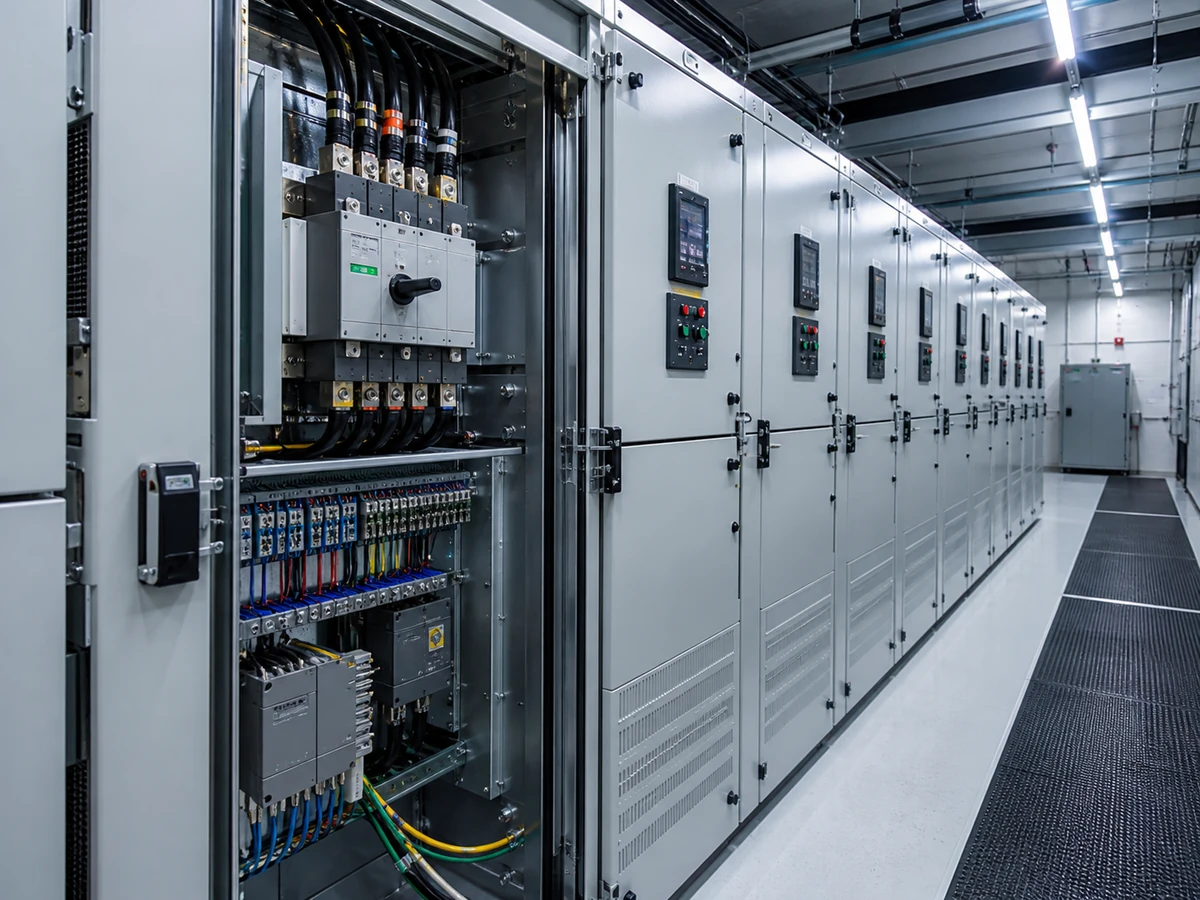
Distribution network design
MV and LV distribution network design from the surface substation to underground load centres — cable sizing for both ampacity and voltage drop over long underground distribution distances, and earthing system design appropriate for underground (typically high-resistance earthed to limit ground-fault current in potentially gassy environments).
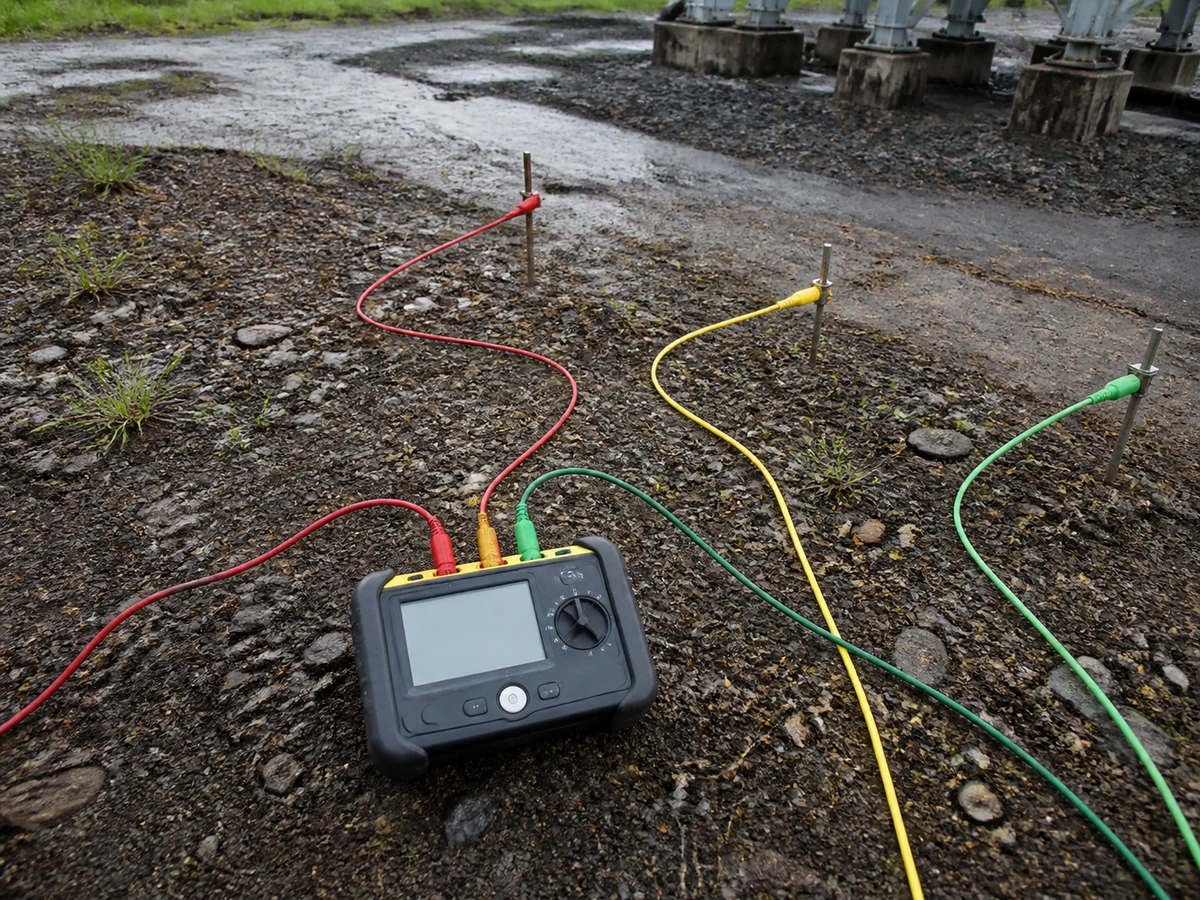
Earthing design
Earth system design for mining sites — covering the surface substation earthing, the connection of underground earthing to the surface system, and the specific bonding requirements for underground metallic cable armouring and traction rail systems where electric haulage is used.
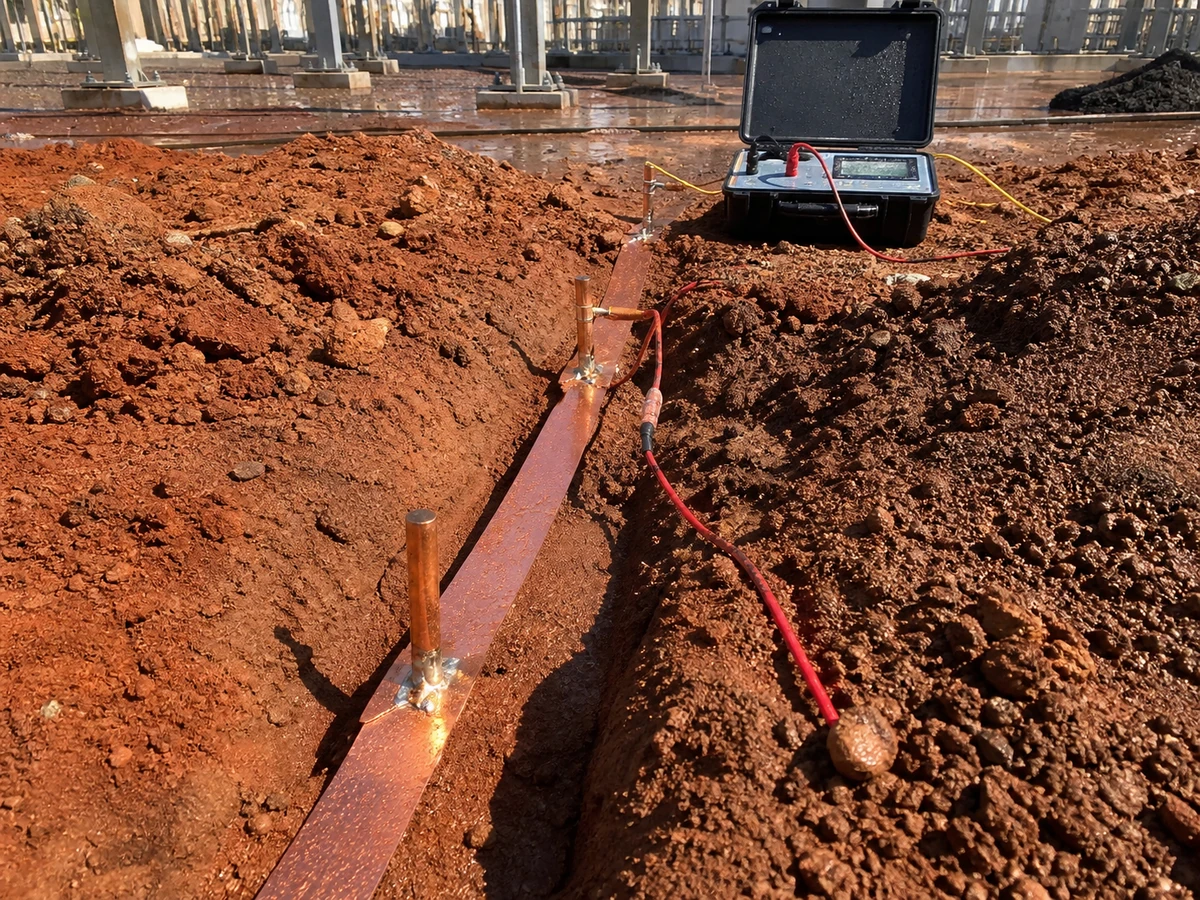
Ground potential rise analysis
Ground potential rise calculations for the surface substation earth system — verifying that touch and step voltages at the substation perimeter, at buildings served by the substation cable system and at remote earth electrodes stay within safe limits under the maximum fault condition, to the methodology of IEEE 80 / IS 3043.
Working in Mining Industry?
Tell us your project stage and we'll outline how NEWATT can support it.
Request a proposal