
Industrial power systems where reliability and safety are non-negotiable
Heavy industrial facilities have complex electrical systems — large motors, non-linear loads, mixed voltage levels and processes where an unplanned electrical trip can shut down an entire production line. NEWATT delivers the studies and design work that keep these systems safe, reliable and compliant.
Our scope ranges from arc flash assessments and protection coordination audits on existing plants through to load flow, harmonic and motor starting studies for plant expansions, and full electrical design packages for new production facilities.

What this sector involves
An industrial electrical system built over many years of production and expansion rarely has the documentation its engineers need when something goes wrong — protection settings may not reflect the actual network, arc flash categories may never have been calculated, and harmonic distortion from newer drives may be pushing the system beyond limits the original design never anticipated.
NEWATT's audit and study work for heavy industry starts from where the plant is: we take the actual network as it is today, build or verify the model, run the studies, and produce results and recommendations that maintenance and operations teams can act on. Arc flash labels, relay setting sheets and harmonic mitigation recommendations come out of the same validated model.
For new facilities or major expansions, we design the electrical infrastructure from scratch: power demand assessment, network architecture, substation and distribution design, cable engineering and protection coordination — with BIM coordination where the process equipment layout constrains the electrical routing.
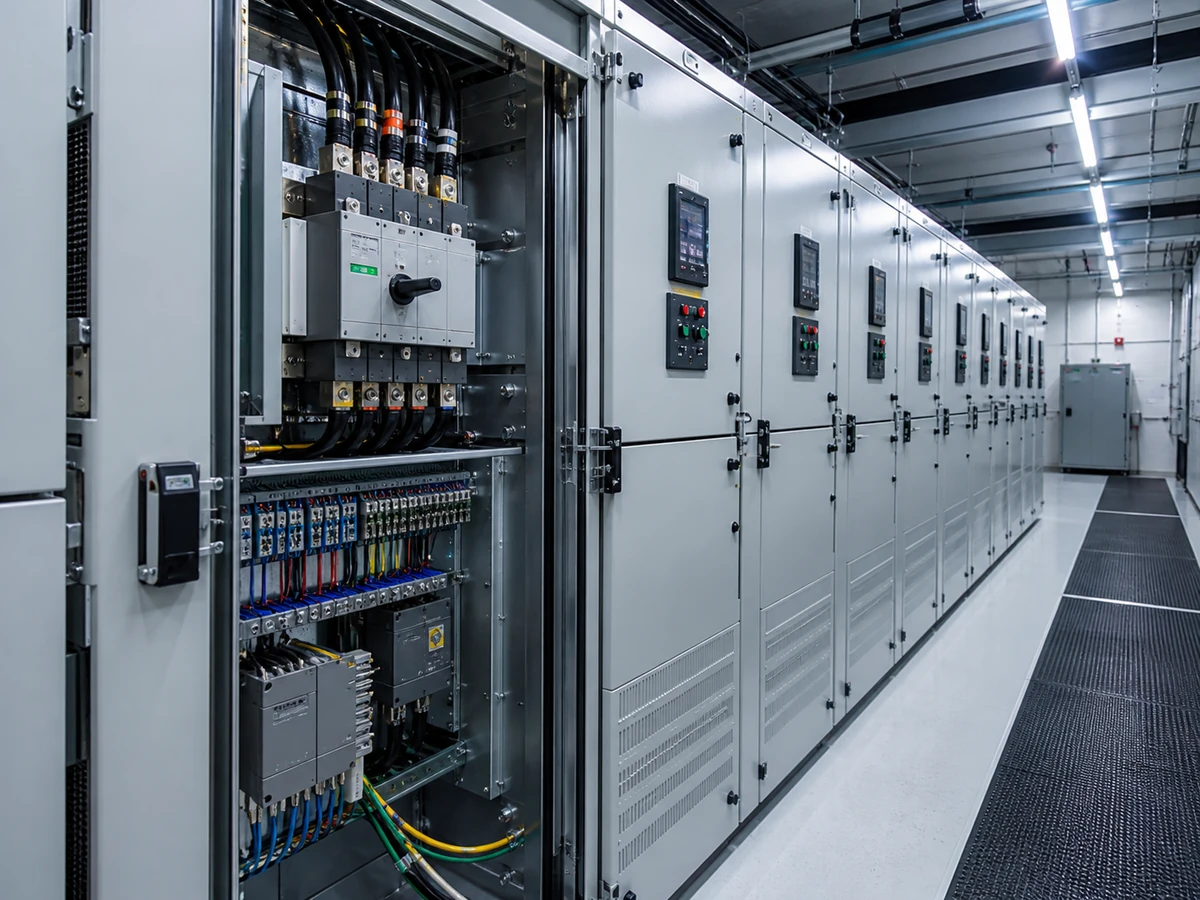
Typical scope for Heavy Industries
- Arc flash to IEEE 1584
- Protection coordination & relay settings
- Motor starting studies
- Power quality & harmonic analysis
- Electrical safety audits
- Stage inspection of equipment
- Load flow & capacity planning
- New facility electrical design
Studies for operating plants
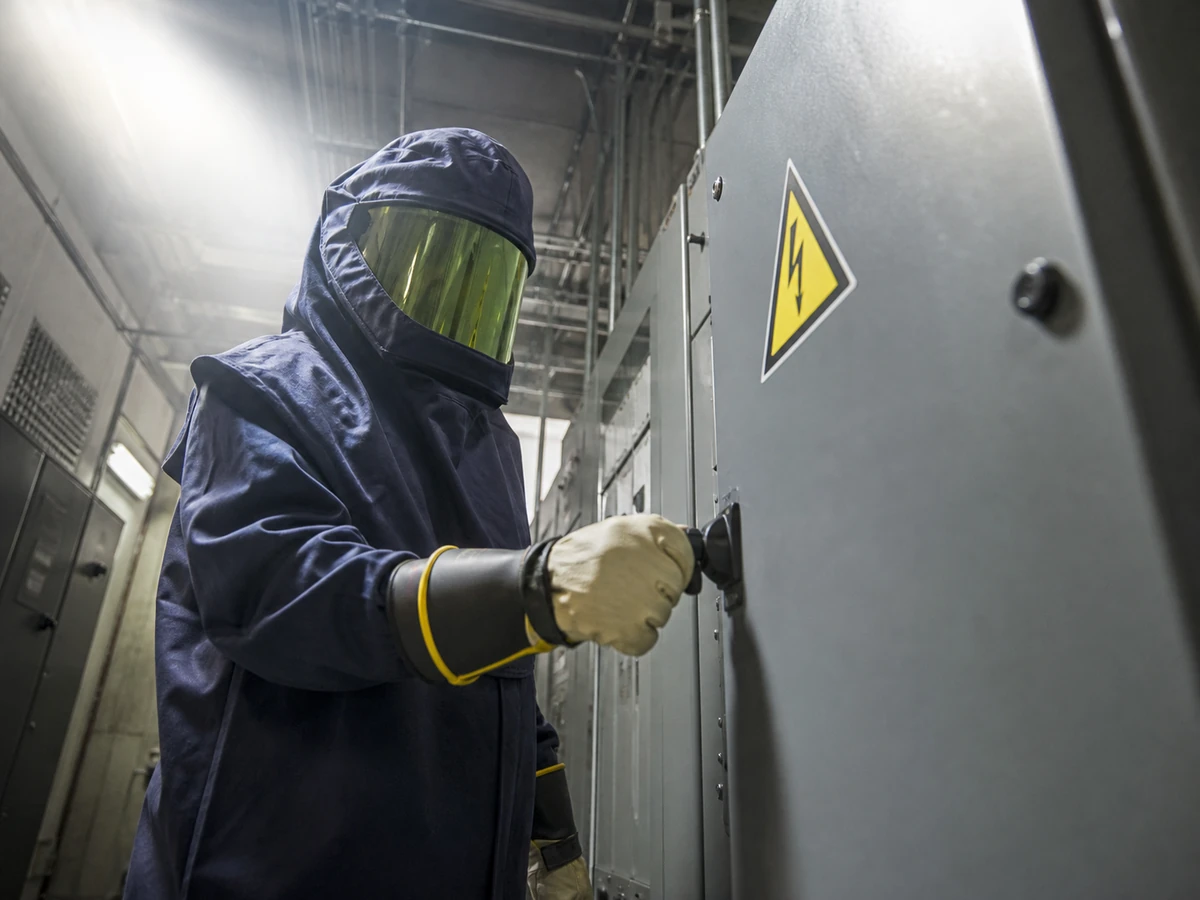
Arc flash to IEEE 1584
Incident energy calculations to IEEE 1584:2018 at every switchgear and distribution board in the facility, with PPE category assignments, arc flash boundary measurements and labelling requirements — and protection-clearing-time improvements where settings have drifted.
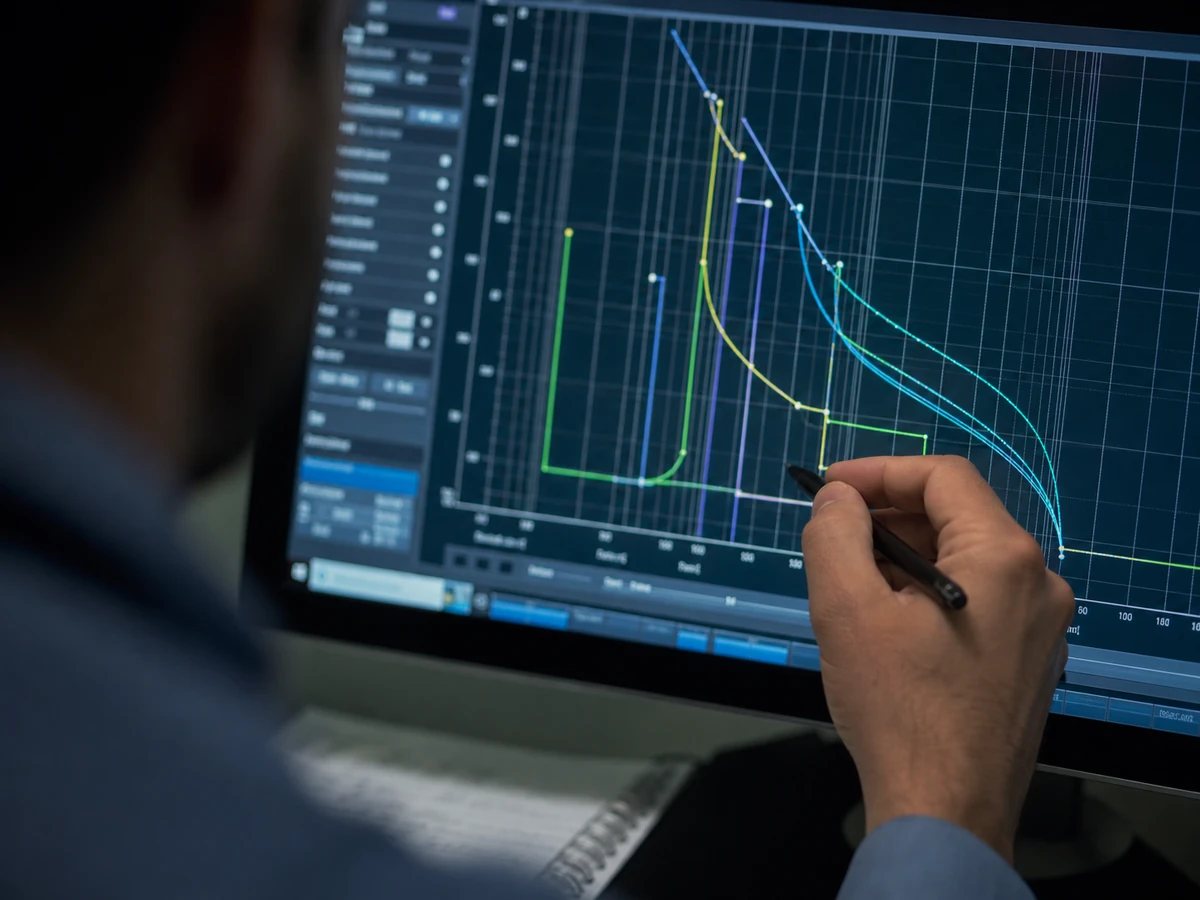
Protection & relay audit
Independent audit of existing relay settings and coordination — verifying that devices still grade correctly given the current network configuration and fault levels, identifying settings left from a previous network condition, and producing setting sheets for commissioning following any changes.
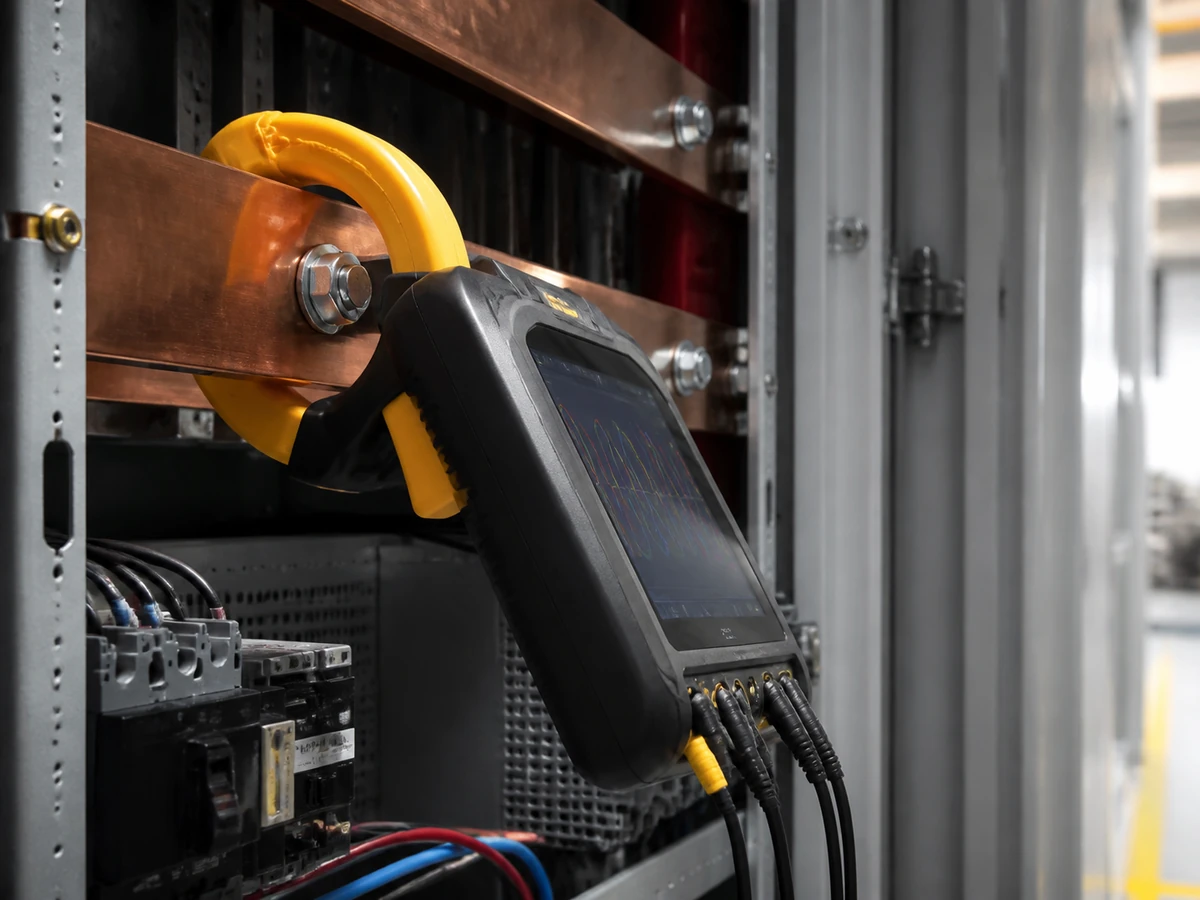
Power quality & harmonics
Harmonic distortion measurements and analysis for facilities with large variable-speed drives, rectifiers and UPS systems — identifying which loads are generating significant distortion, checking against IEEE 519 limits at the point of connection, and recommending filters where needed.
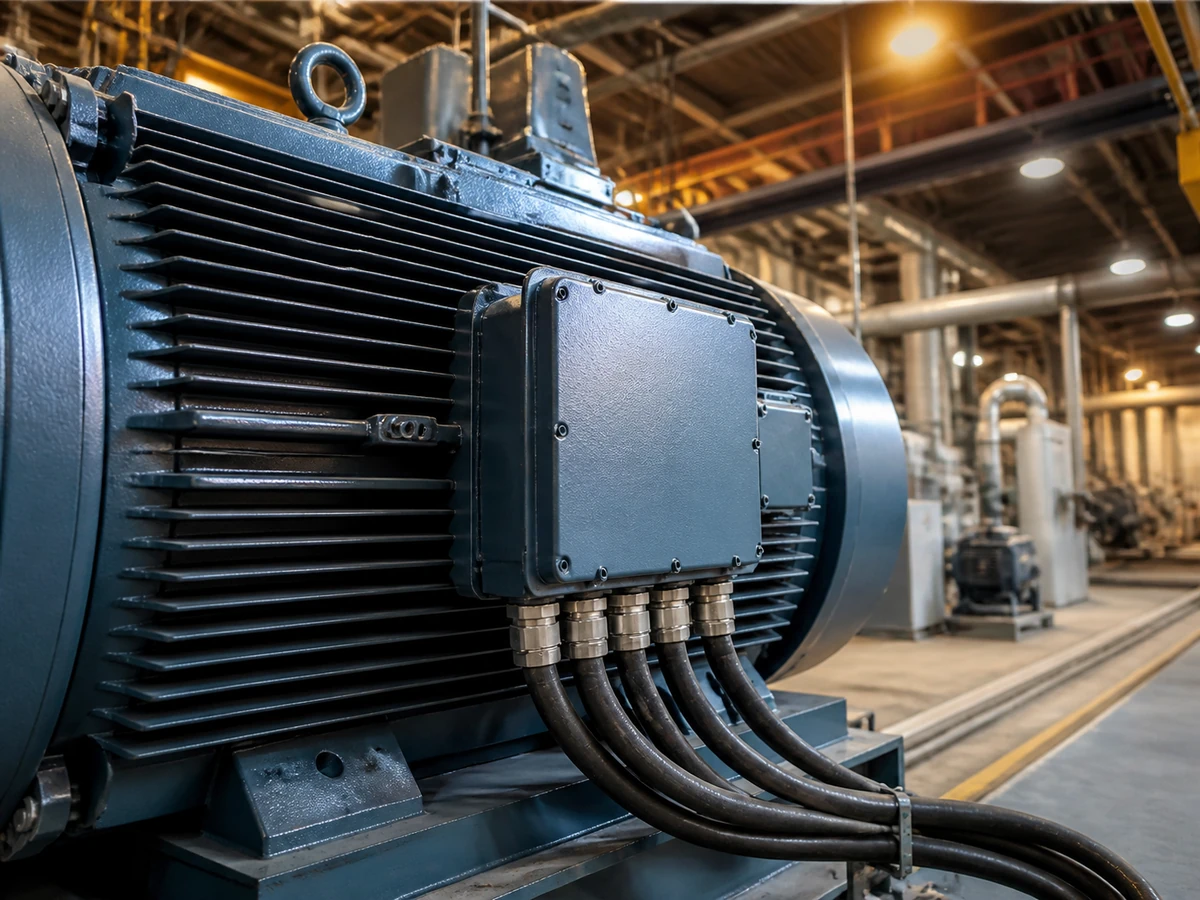
Motor starting analysis
Voltage dip and motor acceleration studies for large motor starts — verifying that voltage dip at the motor terminals and across the plant stays within limits for the motor and connected process equipment, and identifying whether soft-start, VFD or alternative starting arrangements are needed.
Design for new & expanded facilities
Power demand & network design
Power demand assessment from the facility's actual equipment list, network architecture selection and substation and distribution design sized for both current load and planned expansion.
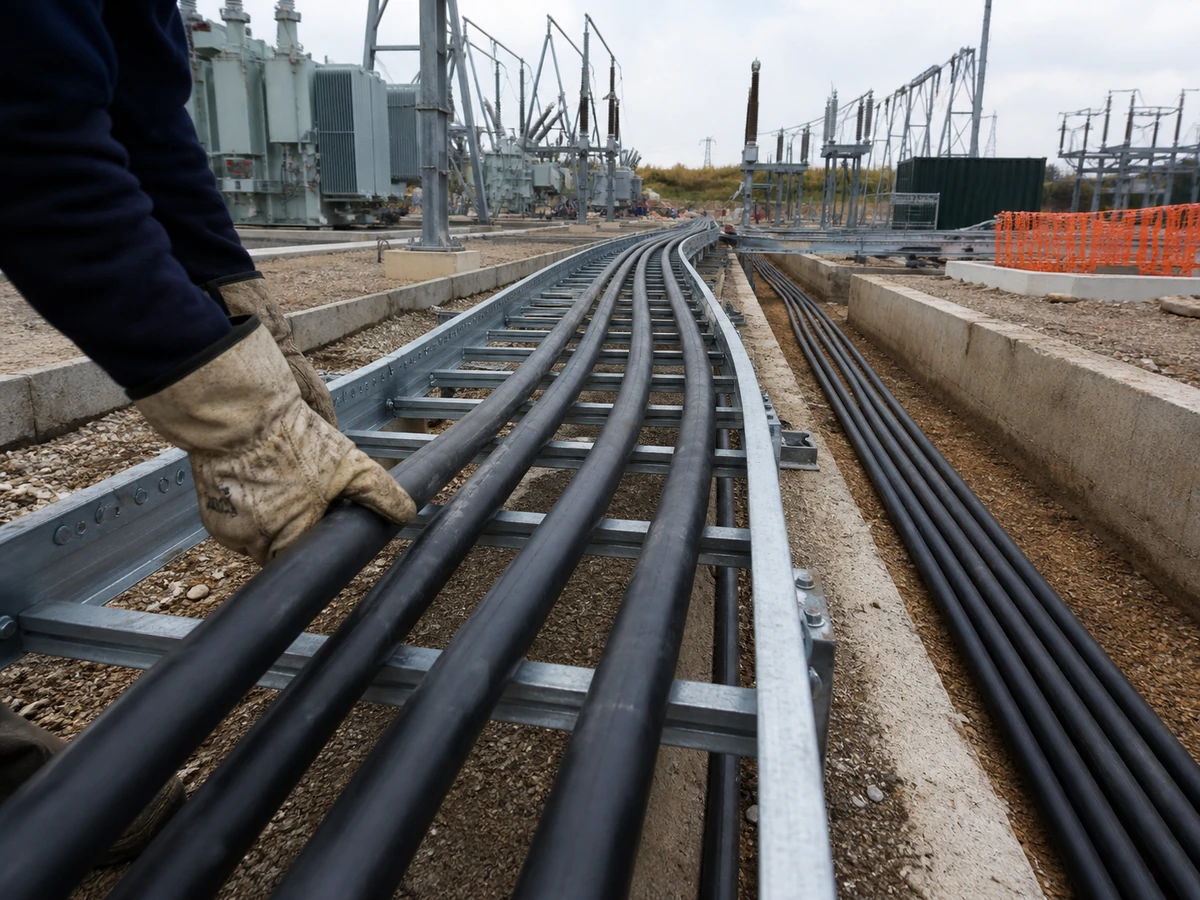
Cable engineering & routing
Cable sizing, schedules and routing for industrial facilities — accounting for the demanding installation conditions and the process-dictated routing constraints that industrial facilities impose on cable runs.
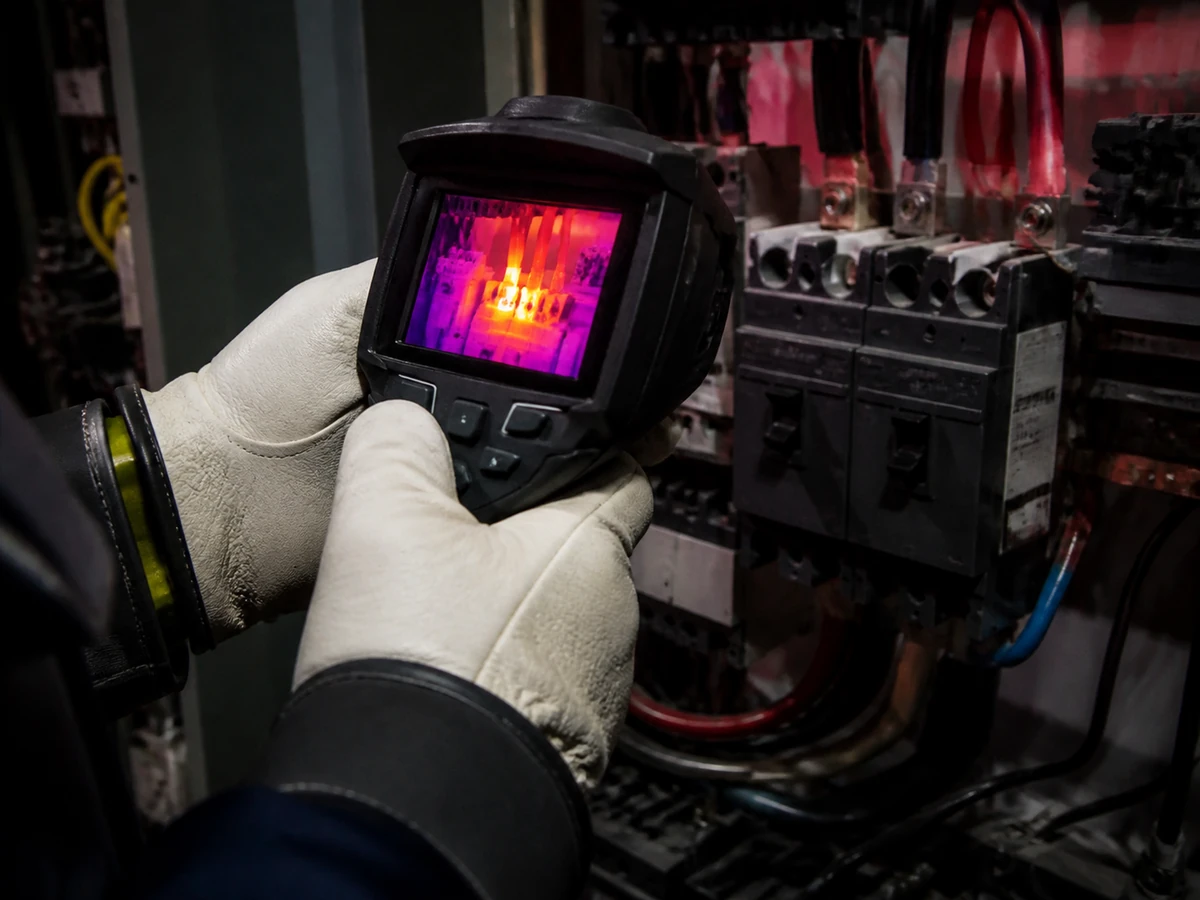
Thermographic inspection
Thermal imaging surveys of switchgear, bus ducts, cable connections and motor windings — identifying hot joints, overloaded conductors and failing insulation before they become failures.
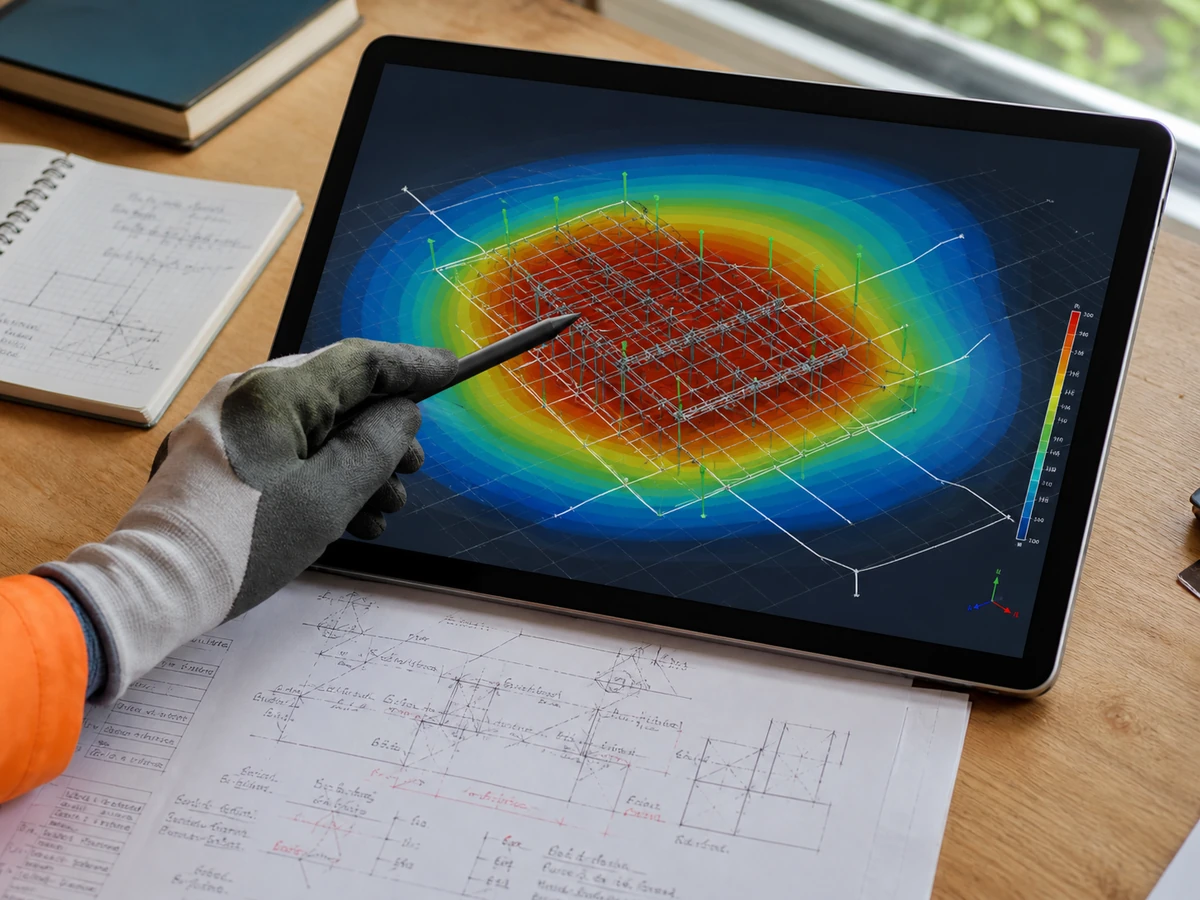
Earthing & safety design
Earth system design ensuring that step and touch potentials at substation and electrical equipment locations stay within safe limits under fault conditions, and that the earthing system bonds process equipment, cable armour and structural steelwork into a unified, low-impedance earth.
Working in Heavy Industries?
Tell us your project stage and we'll outline how NEWATT can support it.
Request a proposal