
One model, every study your project needs
NEWATT builds a single validated network model of your system and runs the full range of studies from it — load flow, short circuit, protection, arc flash, harmonics, stability, EMT and grid-code compliance — so results are consistent, traceable and defensible.
Every study is delivered to the grid codes and international standards that apply to your project, whether in India, the UK, Africa, the Americas or Australia.

One validated model, every study your project needs
NEWATT builds a single validated model of your network and runs every study from it — so the short-circuit study, the protection coordination, the arc-flash calculation and the stability run all share the same base data. This is how results stay consistent and how findings from one study feed correctly into the next.
Load flow establishes the steady-state behaviour and becomes the foundation for short circuit, motor starting, harmonics, stability and protection studies. Each study is then delivered to its governing standard — IEC 60909, IEEE 242, IEEE 1584, IEEE 519, IEC 60071 and the applicable grid code — with the assumptions and scenarios documented in full.
We work in industry-standard software — ETAP, DIgSILENT PowerFactory, PSCAD and PSS/E — and hand over reports that engineers and network operators can act on: setting sheets, mitigation designs and compliance evidence. Explore any study below for its detailed scope, the standards it follows and the software we use.
Every study we deliver
Load flow analysis
Steady-state voltage, loading and power-flow analysis across all operating scenarios.
Explore this study →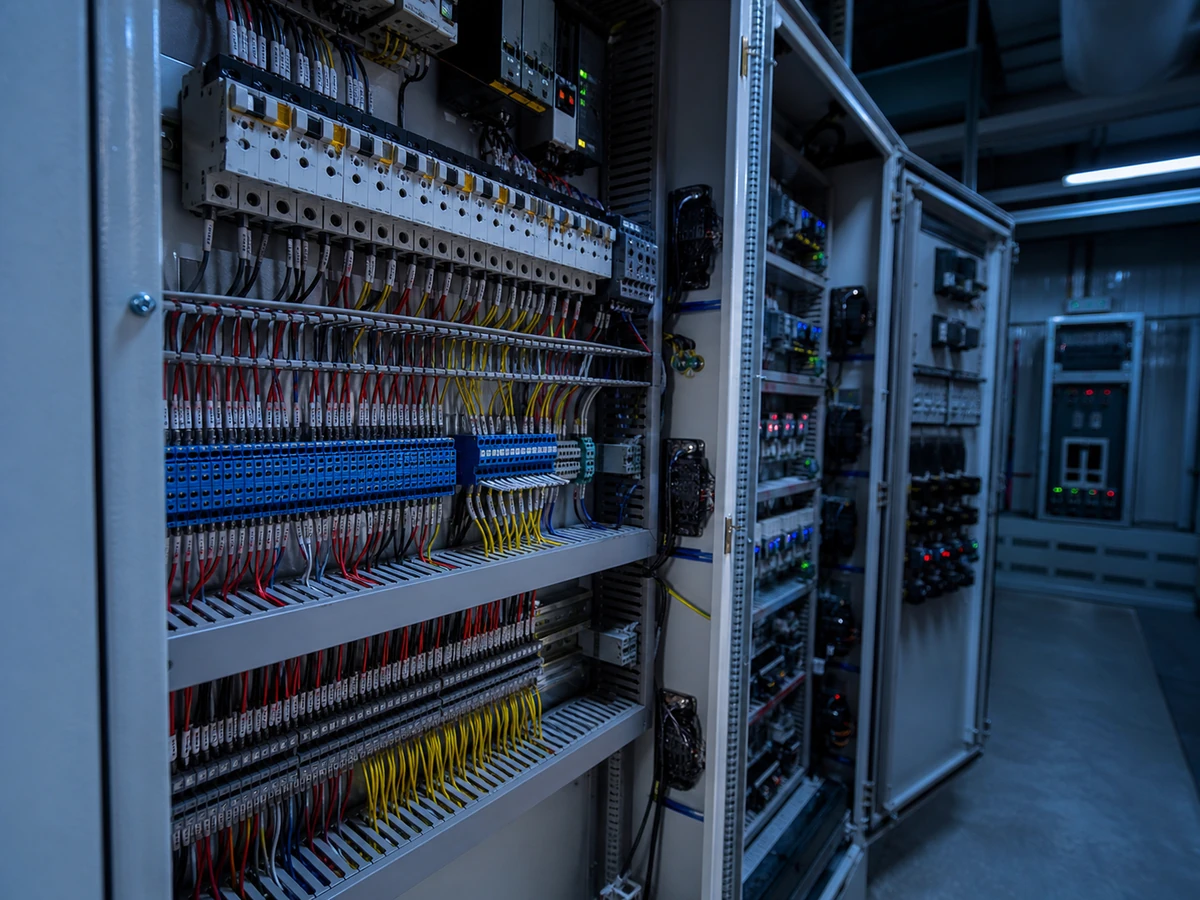
Short circuit analysis
Symmetrical and asymmetrical fault levels to IEC and ANSI/IEEE standards.
Explore this study →
Protection & relay coordination
Selective, correctly graded protection settings and coordination curves.
Explore this study →
Arc flash (IEEE 1584)
Incident-energy calculation and PPE category assignment to IEEE 1584.
Explore this study →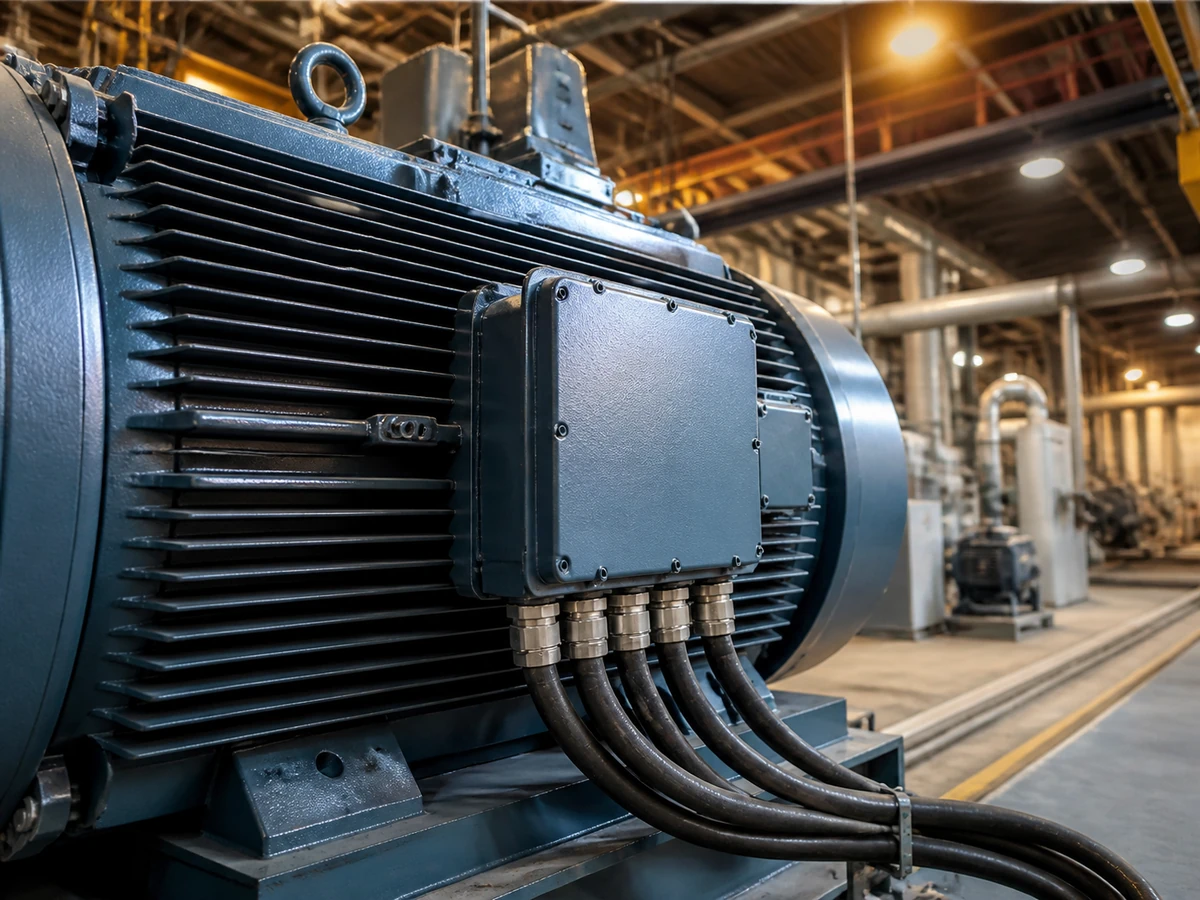
Motor starting analysis
Voltage-dip and acceleration checks for large-motor starting.
Explore this study →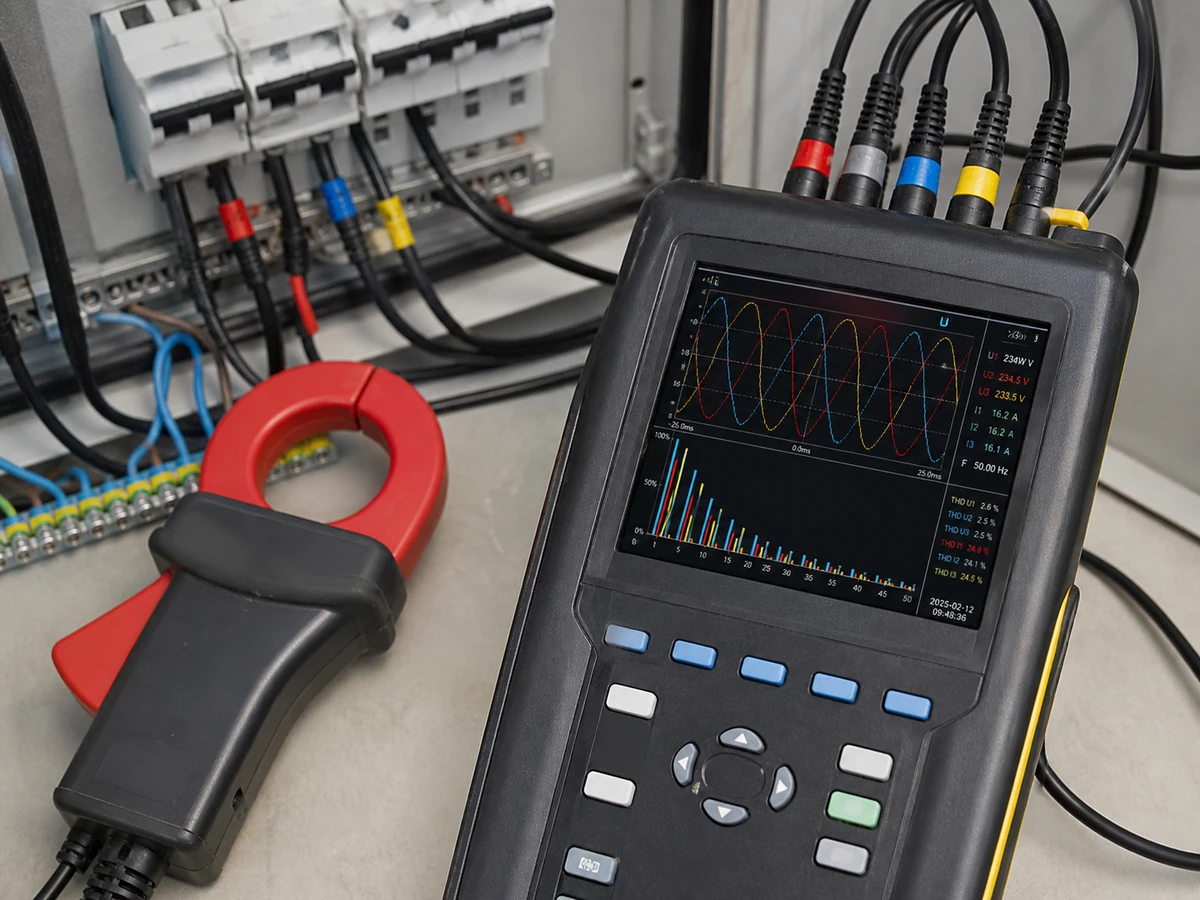
Harmonic analysis
Harmonic distortion assessment and filter / mitigation design to IEEE 519.
Explore this study →
Transient & dynamic stability
Rotor-angle, voltage and frequency stability under disturbances.
Explore this study →Electromagnetic transients (EMT)
Switching, energisation and lightning transient studies.
Explore this study →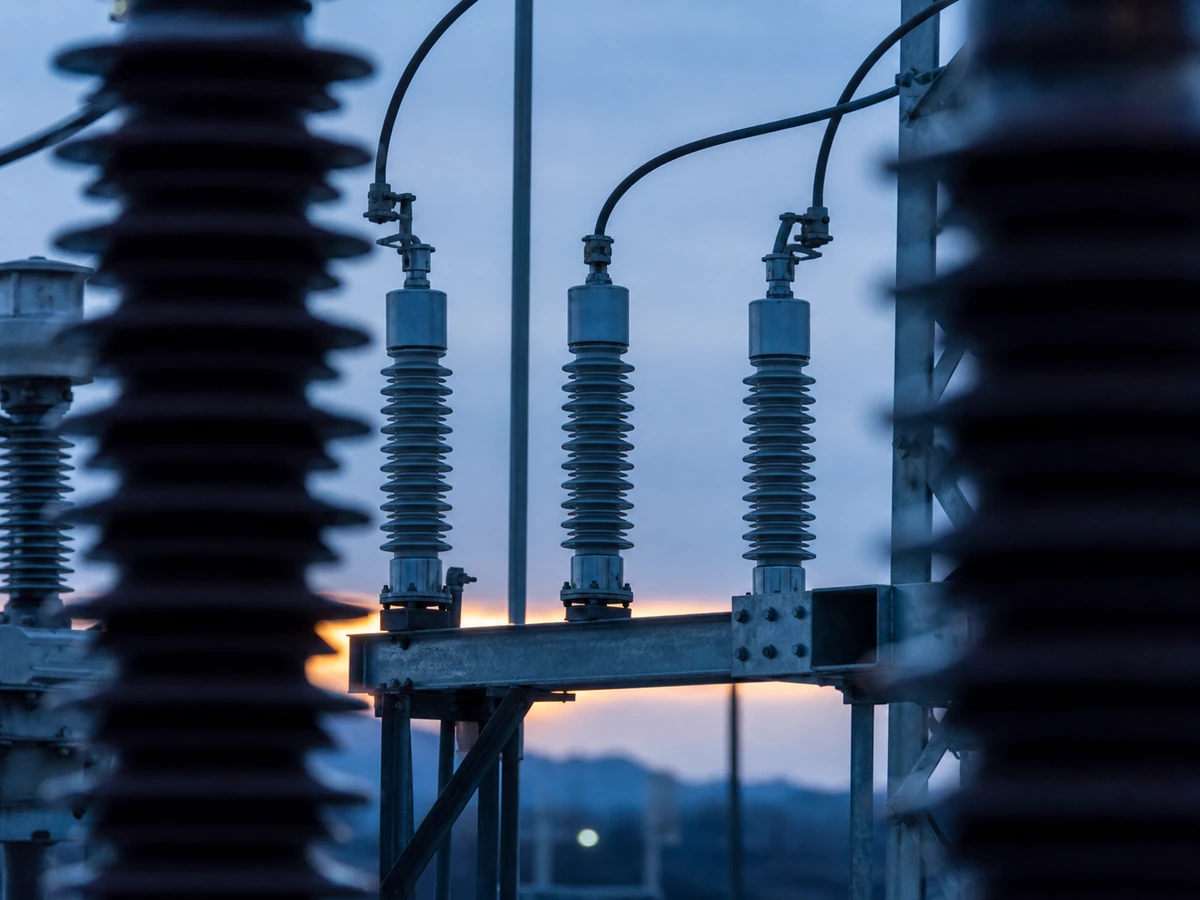
Insulation coordination
Overvoltage assessment and insulation-level coordination.
Explore this study →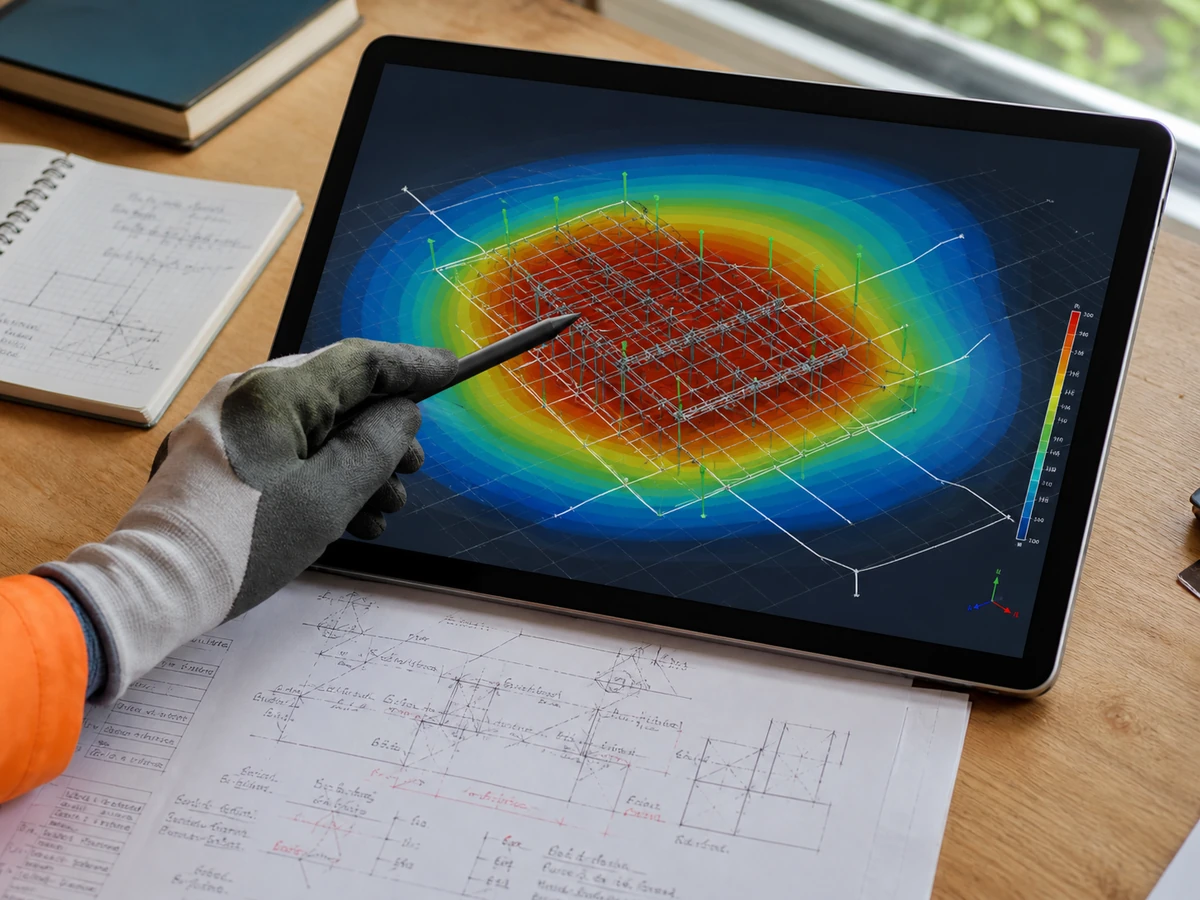
Earthing & CDEGS
Earthing-grid design with step / touch-potential analysis in CDEGS.
Explore this study →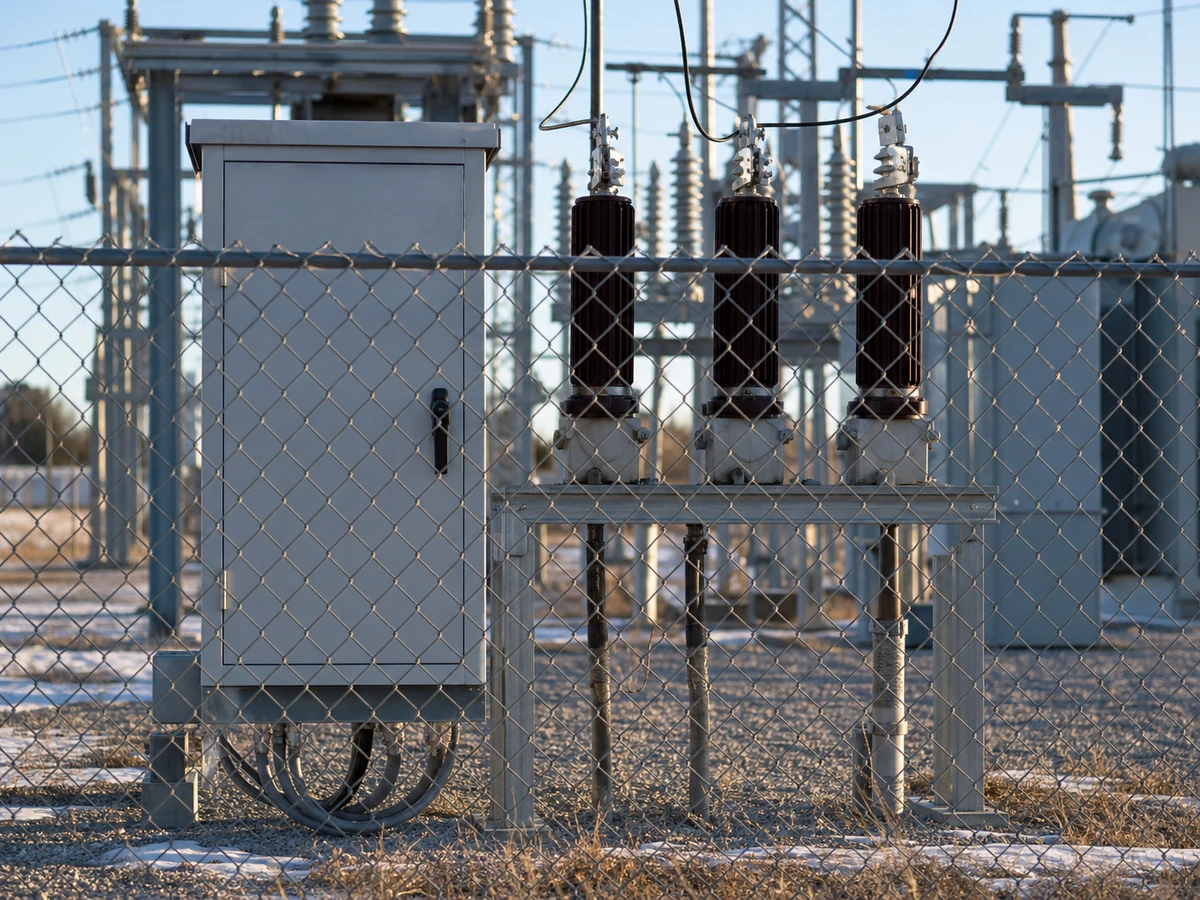
Reactive power & voltage
Reactive-compensation and voltage-profile optimisation studies.
Explore this study →Grid code compliance
Compliance studies to the grid code of each region and operator.
Explore this study →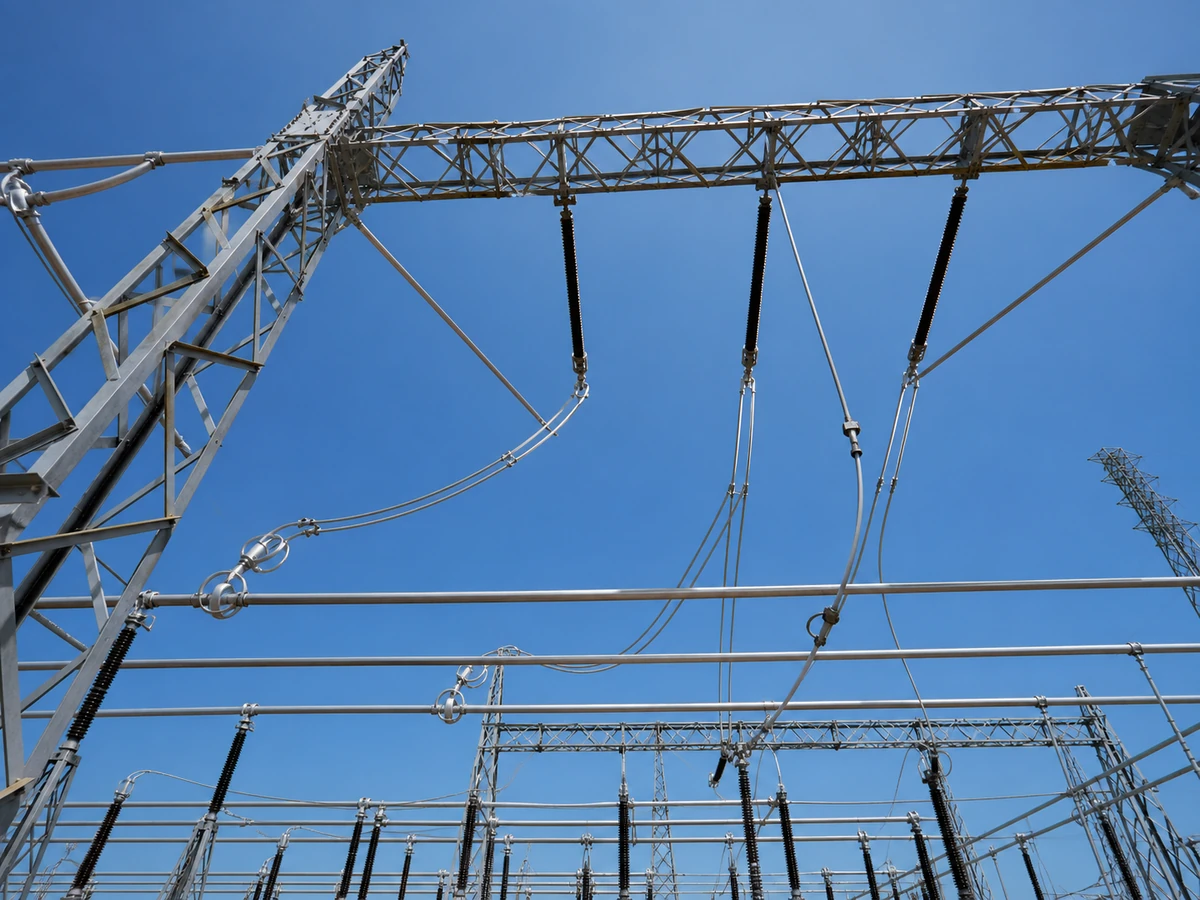
Grid impact study
Impact of a new connection on the existing network — fault levels, voltage, loading and protection.
Explore this study →Third party protection audit
Independent verification of protection settings, coordination and relay configuration.
Explore this study →Power system studies — what clients ask us
Which power system studies are mandatory for grid connection approval in India? +
For grid connectivity under CEA regulations and ISTS/SSTS grid codes, the studies most commonly required are load flow, short circuit, protection coordination and grid code compliance. Solar and wind projects typically also need harmonic analysis and reactive power capability studies. BESS projects additionally require EMT studies for energisation and islanding scenarios. The exact set depends on the voltage level, installed capacity, grid operator and point of connection — send us your LOA and grid connection offer and we will tell you precisely which studies apply.
How long does a full suite of power system studies take to complete? +
A standard package — load flow, short circuit, protection coordination and grid code compliance — typically takes three to five weeks from receipt of a complete data set. Arc flash adds one to two weeks. EMT or stability studies add two to four weeks depending on model availability. The critical path is usually data collection: SLD, equipment schedules, relay settings, grid operator impedance data and manufacturer models. We issue a detailed programme with each proposal so the timeline is fixed and contractual.
What software do you use for power system studies — ETAP, DIgSILENT or PSCAD? +
We work in ETAP, DIgSILENT PowerFactory, PSCAD and PSS/E — the choice depends on the study type and grid operator requirements. Load flow, short circuit, arc flash and protection studies are typically performed in ETAP or PowerFactory. Stability and EMT studies use PowerFactory or PSCAD. Earthing studies use CDEGS. We follow the software preference of the utility or lender where one is specified, and we hand over the model files along with the report so results are independently verifiable.
Can you do power system studies for projects anywhere in the world? +
Yes — we work with clients anywhere in the world. NEWATT has delivered studies across Asia, Europe, Africa and the Middle East, and we regularly engage on projects at the feasibility stage before a country-specific grid code has even been confirmed. Grid code requirements vary significantly by region and operator — from CEA and ISTS in India, to G99 and the NGET Code in the UK, TNB in Malaysia, NERC in North America, and national utility codes across Africa, the Gulf and Southeast Asia. We review the applicable code at the start of every engagement and scope the studies accordingly, so our clients avoid costly rework at the connection approval stage.
What data do you need from us to start a power system study? +
The minimum we need to start modelling is your single-line diagram, the grid connection offer or LOA with the point of connection voltage and fault level, and the main equipment data sheets — transformer ratings and impedances, inverter or generator specifications, and switchgear ratings. For protection studies we also need existing relay types and current transformer ratios. We issue a formal data request list at kick-off and flag any gaps that would affect the programme, so there are no surprises mid-study.
What is included in a grid code compliance study for solar or wind projects in India? +
Under the CEA (Technical Standards for Connectivity) Regulations, a grid code compliance study typically covers reactive power capability and voltage regulation, fault ride-through (FRT) performance, protection system requirements, power quality including harmonic limits, and metering and communication requirements. For projects connecting at 66 kV and above under the ISTS grid code, additional requirements apply around frequency response and ramp rate control. We produce a compliance matrix that maps each grid code clause to the study result, which is the format most utilities and NLDC accept for connectivity approval.
Do you provide arc flash studies to IEEE 1584 and label generation for Indian plants? +
Yes — we perform arc flash hazard analysis to IEEE 1584-2018 for industrial plants, substations, data centres and renewable energy facilities across India. The deliverable includes incident energy calculations at each bus, arc flash boundaries, PPE category assignments, and equipment warning labels formatted to NFPA 70E requirements. Where the existing protection settings result in high incident energy levels, we also recommend mitigation measures — typically relay setting adjustments or zone-selective interlocking — that can significantly reduce the hazard category without capital expenditure.
How is your fee structured — fixed price or time and materials? +
We work on fixed fees with a defined scope and programme. Share your single-line diagram and the applicable grid code requirements and we respond with a fixed price, a clear deliverable list and a programme — typically within two working days. This means no hourly billing surprises and a contractual commitment to the scope. Variation orders only apply if the project scope changes materially after the model is built — for example, a voltage level change or addition of a new feeder that was not in the original SLD.
Discuss your project with NEWATT
Tell us where you are in the project lifecycle and we'll show you how this service fits.
Request a proposal