
Reactive Power & Voltage
Reactive-compensation and voltage-profile optimisation.
Optimise voltage and power factor
NEWATT analyses reactive-power flow and designs compensation to improve voltage profile, power factor and losses.
Study scope

Reactive flow
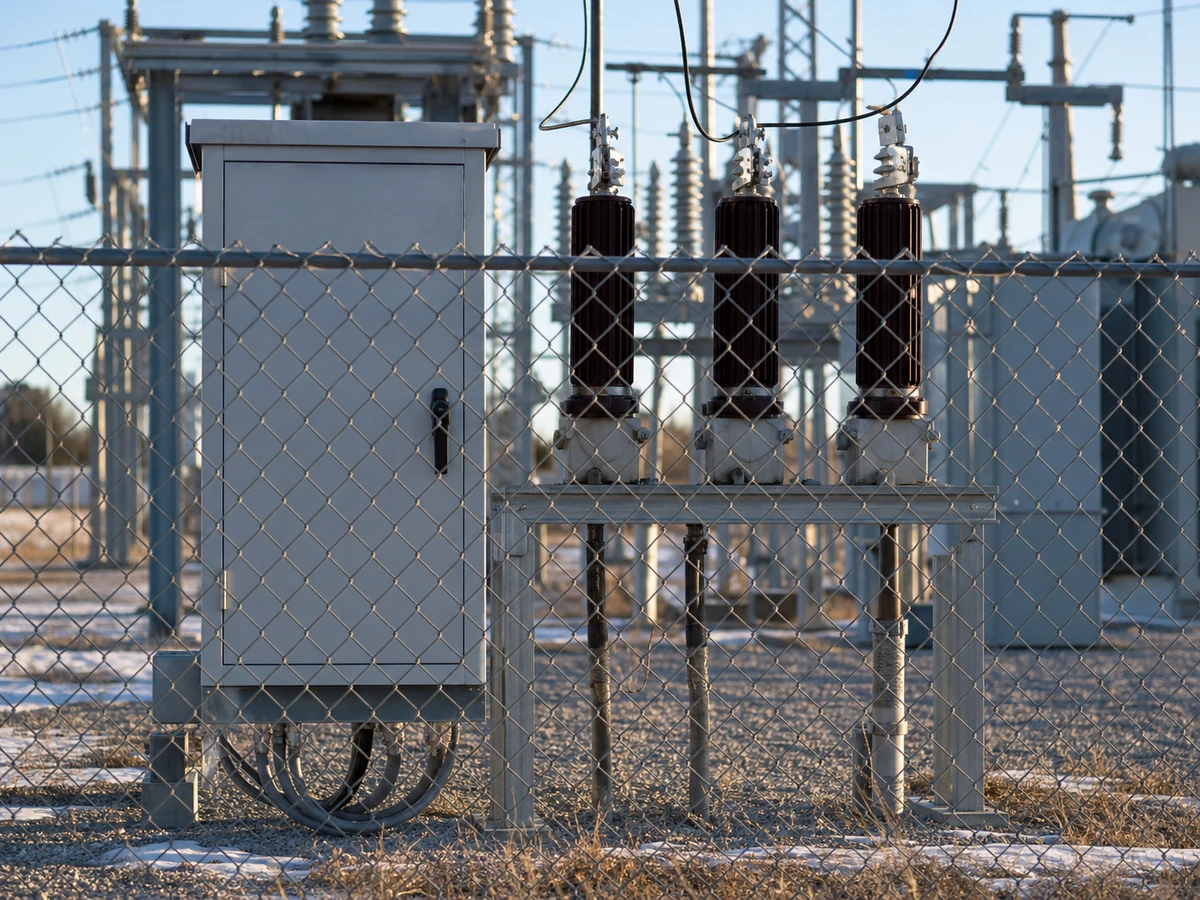
Reactive power flow is analysed across the network under the full range of operating scenarios, identifying where reactive power demand or generation creates voltage or thermal constraints that active power flow alone wouldn't reveal.
Voltage profile
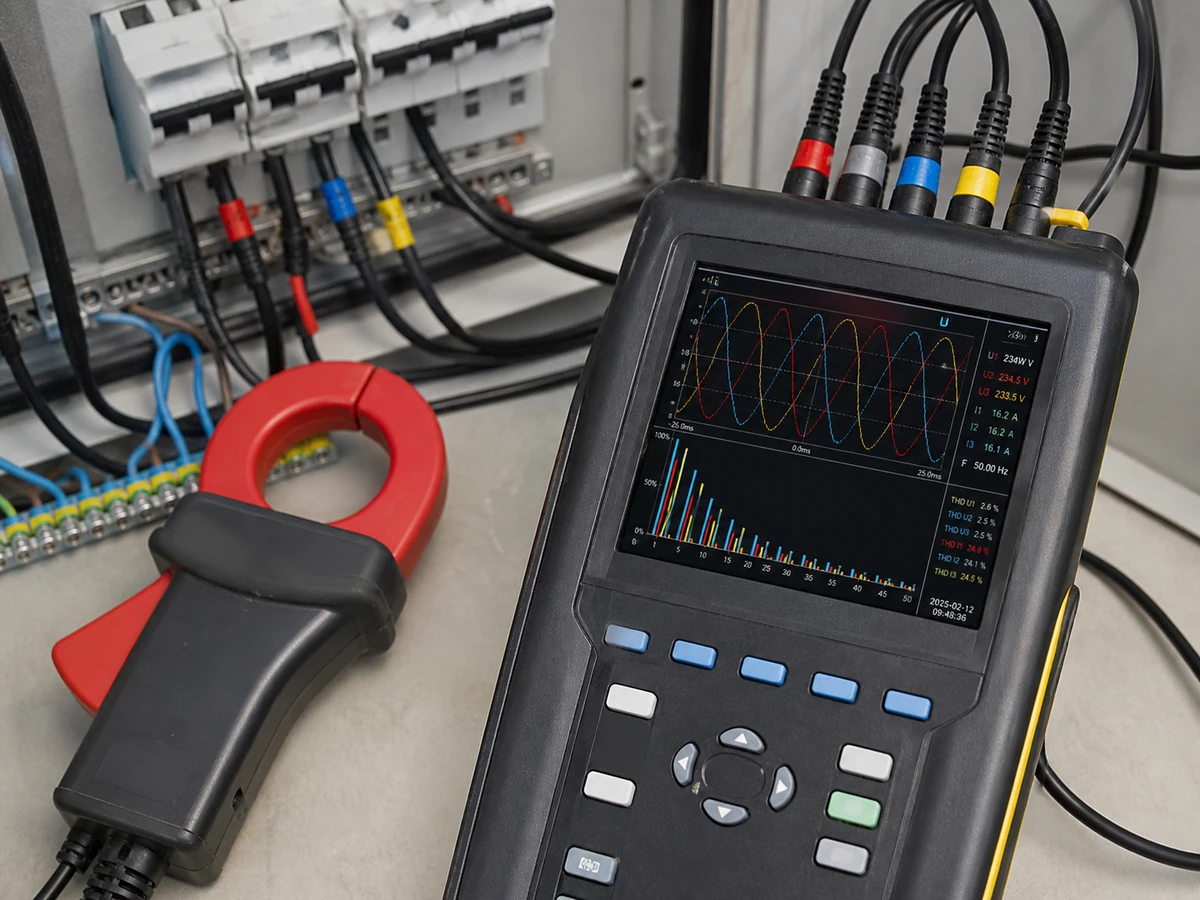
We optimise the network's voltage profile by identifying where reactive compensation, tap changes or generator voltage set-points can bring voltage within tighter, more favourable limits across the network rather than accepting the wider swings an uncompensated system produces.
Compensation design
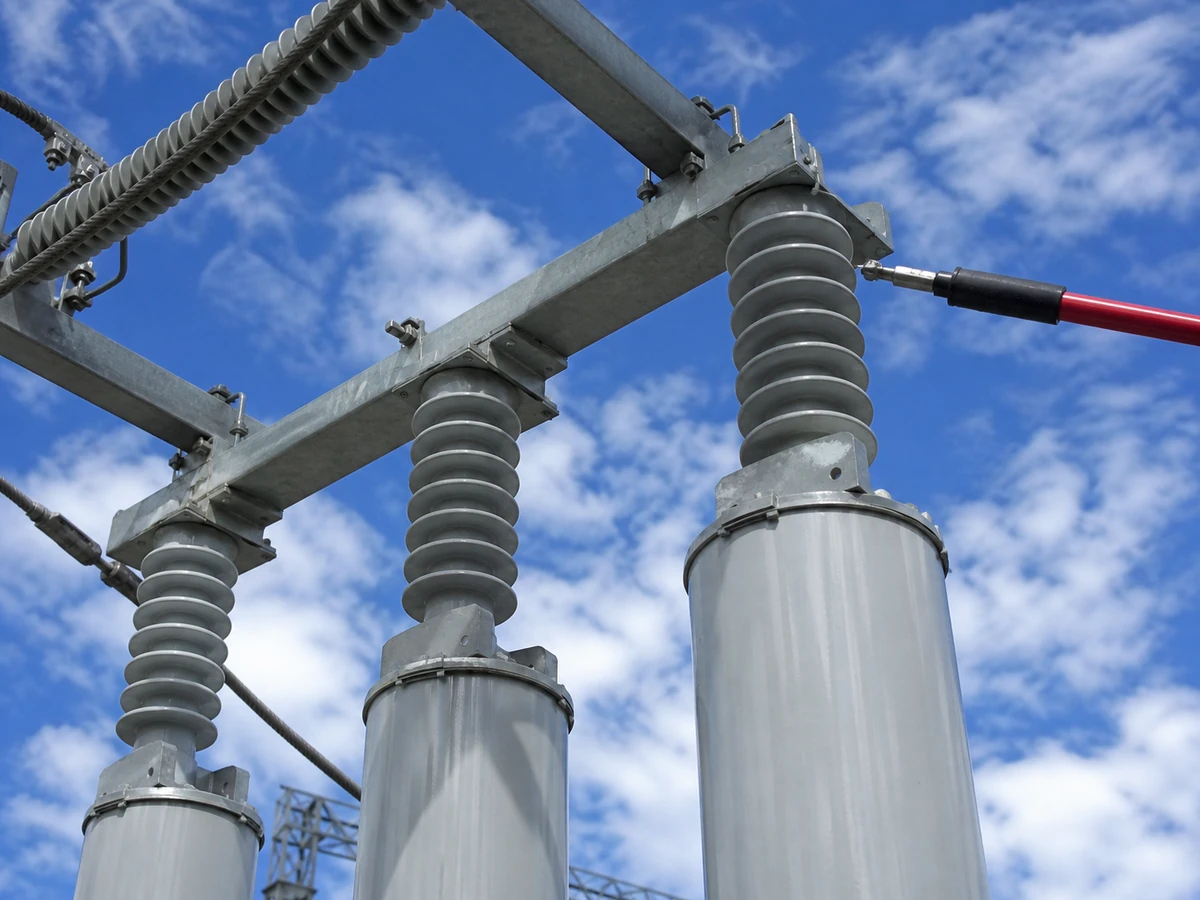
Capacitor bank, STATCOM or SVC sizing is calculated from the specific reactive power deficit or voltage support requirement the study identifies, matching compensation technology to the response speed and control flexibility the application actually needs.
Power factor
Power factor correction is sized to bring the network to the target power factor — whether driven by a grid-code requirement, a utility tariff incentive, or an internal efficiency target — with the correction scheme designed to avoid over-correction under light-load conditions.
How we deliver
Standards
Reactive power and power factor studies are assessed against IEC and IEEE reactive power guidance and any grid-code power factor limits specific to the project's point of connection, since requirements vary meaningfully between utilities and regions.

Software
Studies are performed in ETAP or DIgSILENT, using the same network model as the load flow study so reactive power and compensation results are directly consistent with the voltage and loading findings from that analysis.
Outcomes
The study delivers a compensation scheme sized and located for the network's actual reactive power profile, along with an estimate of the efficiency or tariff savings the scheme is expected to deliver.