
Motor Acceleration & Starting
Static and dynamic motor-starting analysis for large drives.
Start large motors without disruption
NEWATT checks voltage dip, acceleration time and network impact when starting large motors, static and dynamically.

Study scope

Voltage dip
We calculate the bus voltage dip that occurs during motor starting, checking the dip against the limits other connected loads and protection systems can tolerate, since a large motor starting across a weak network point can trip sensitive equipment elsewhere on the system.

Acceleration time
Motor run-up time and stall margin are checked against the reduced-voltage torque available during starting, confirming the motor will actually accelerate to full speed within the time its protection and the driven load's requirements allow, not just that it can theoretically start.
Starting method
We compare direct-on-line, soft-starter and VFD starting methods against the specific motor, network strength and driven-load requirements, since the right starting method depends on the actual voltage-dip and torque constraints at that location, not a default choice applied regardless of application.
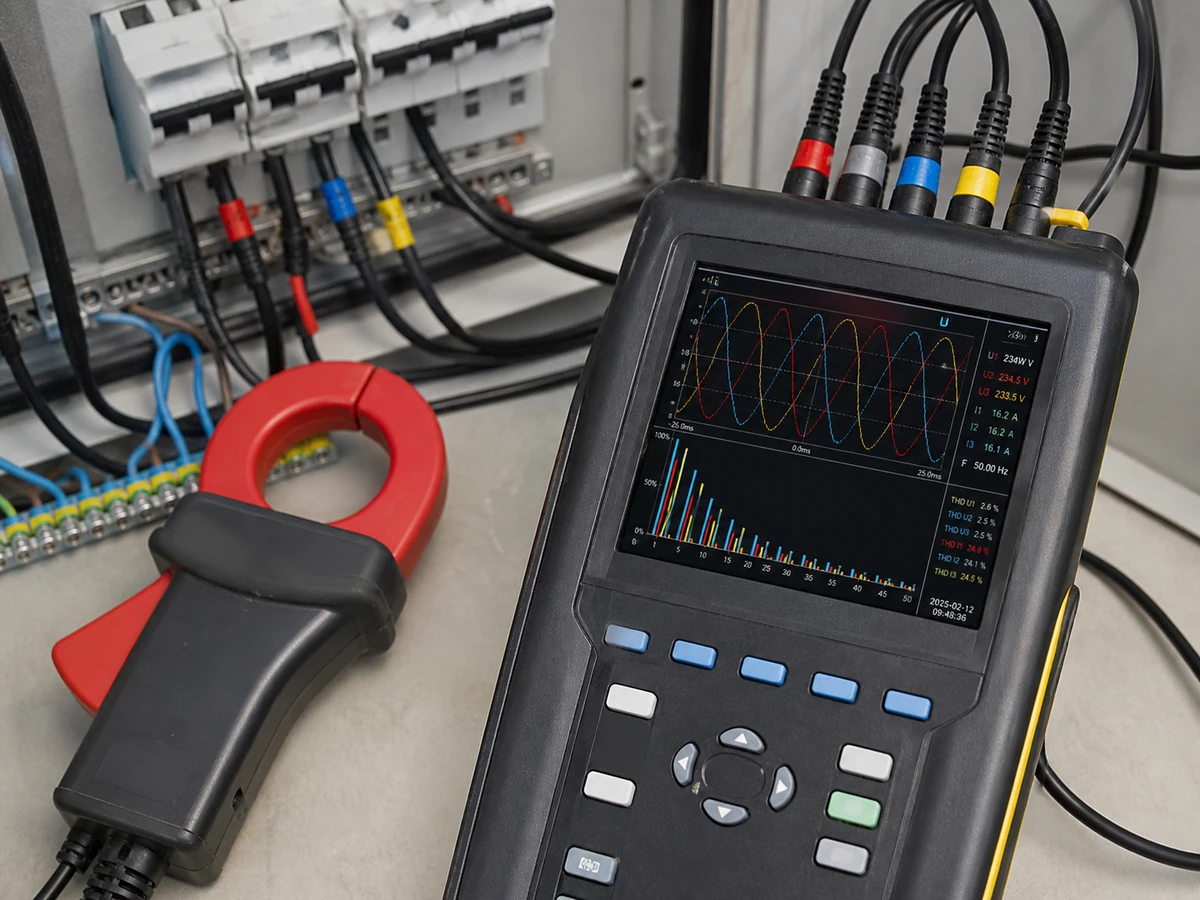
Network impact
The impact of motor starting on adjacent loads, generation and protection is assessed across the network, not just at the motor's own bus, since a voltage dip that's acceptable locally can still cause problems for sensitive equipment or generation control elsewhere on a weak network.
How we deliver
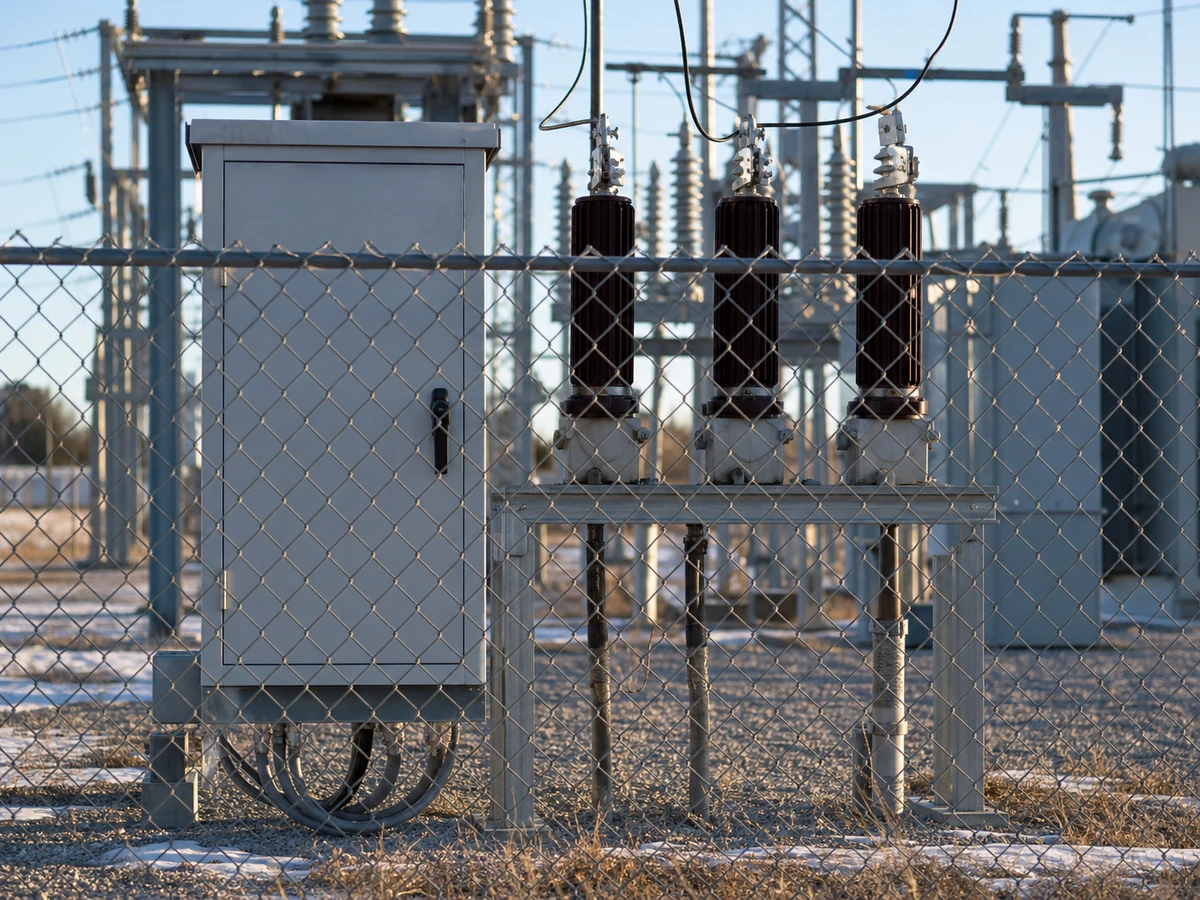
Standards
Motor starting studies follow IEC and IEEE motor-starting analysis methodology, with acceptance criteria for voltage dip and acceleration set against the specific standards or utility requirements that govern the project and connection point.

Software
Dynamic motor starting simulation is performed in ETAP, modelling the actual motor characteristics, driven-load torque curve and network impedance rather than a simplified static calculation that can miss the dynamic interaction between motor and network during the starting transient.
Outcomes
The study delivers a starting-method recommendation and, where a dip exceeds acceptable limits, mitigation options — soft-starter or VFD selection, network reinforcement, staged starting sequences — sized to the specific voltage-dip and acceleration constraints identified.