
Electromagnetic Transients (EMT)
Switching, energisation and lightning transient analysis.
Understand fast transients
NEWATT models electromagnetic transients to assess switching and energisation overvoltages and their impact on insulation and equipment.

Study scope
Switching transients
Line and capacitor switching events are simulated in detailed time-domain analysis to capture overvoltages that steady-state studies can't represent, confirming equipment insulation and surge protection provide adequate margin against the actual transient magnitudes the network will generate.

Transformer energisation
Transformer inrush current is modelled at energisation, checking for sympathetic interaction between transformers energised close together in time, and confirming protection settings tolerate normal inrush without nuisance tripping while still protecting against genuine internal faults.

Lightning transients
Fast-front lightning surge propagation into the network is modelled to assess how transients travel through overhead lines, cables and transformers, informing both the insulation coordination study and surge protection design so the two remain consistent with each other.
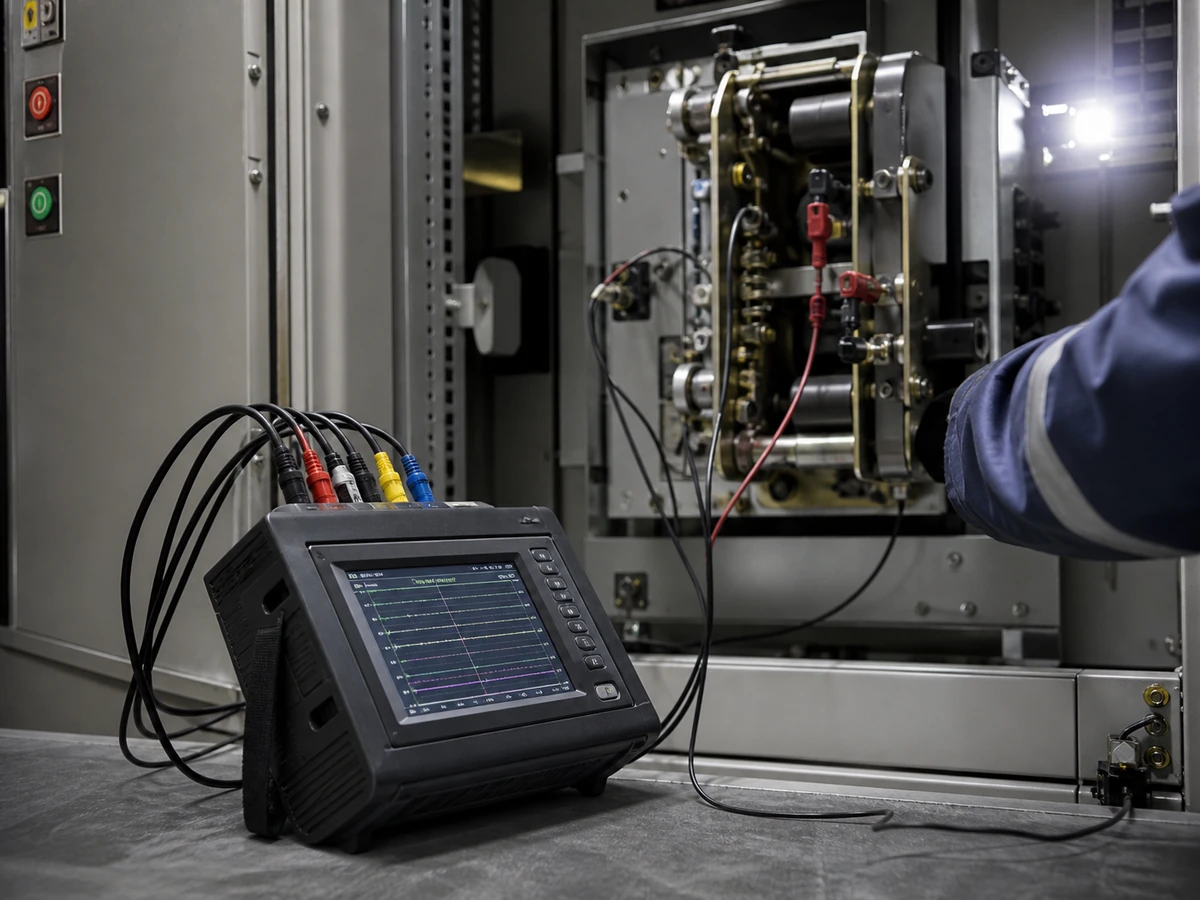
TRV analysis
Transient recovery voltage across circuit breakers during fault interruption is analysed to confirm breaker TRV withstand is adequate for the network configuration around it, since TRV characteristics are sensitive to network topology, not just the breaker's rated interrupting capacity.
How we deliver
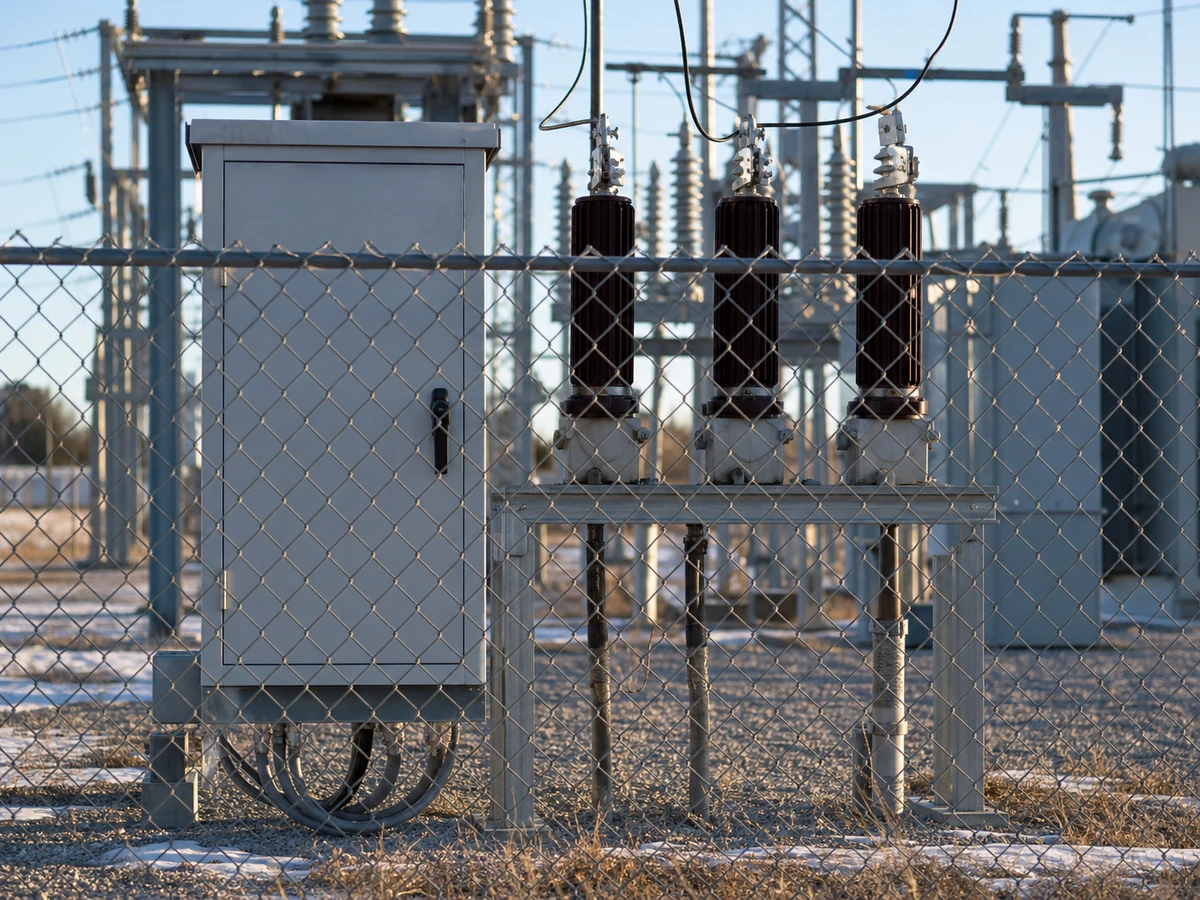
Standards
EMT studies follow IEC and IEEE transient analysis methodology, with the specific standard and modelling approach documented since transient study results are highly sensitive to model assumptions in a way steady-state studies typically aren't.
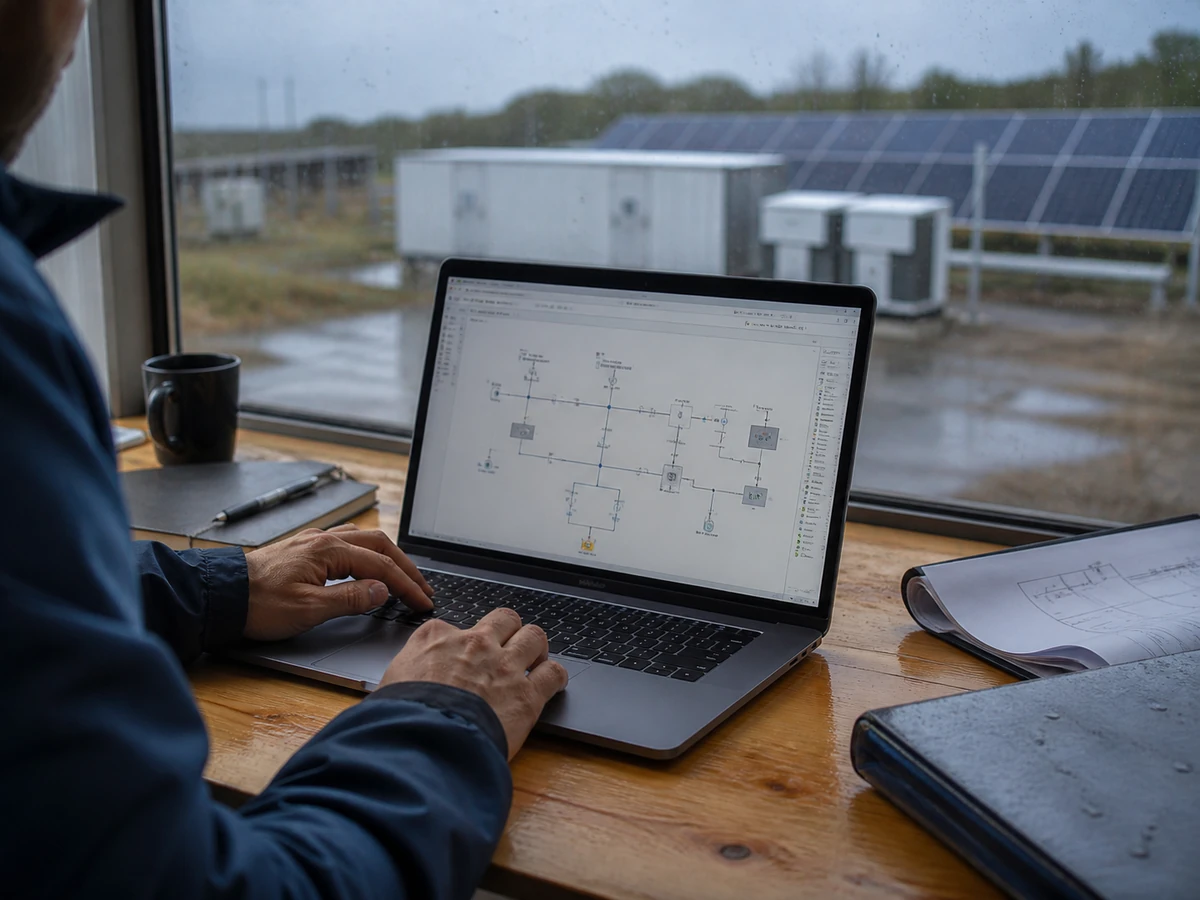
Software
Studies are performed in PSCAD/EMTDC or EMTP, with frequency-dependent line and cable models used where the transient frequency range requires it, since simplified constant-parameter models can materially misstate fast transient behaviour.
Outcomes
The study delivers an overvoltage assessment identifying any equipment exposed to transients beyond its withstand rating, with mitigation recommendations — surge arresters, switching sequence changes, snubber circuits — sized to the specific transient mechanism found.