
Load Flow Study
The foundation study for the whole network — steady-state voltage, loading and power flow across every operating scenario.
The study every other study is built on
Load flow is the quintessential power system study: it establishes the steady-state behaviour of the network and becomes the base model for short-circuit, stability, motor-starting, harmonic and protection studies.
NEWATT models your system in ETAP, DIgSILENT PowerFactory or PSS/E and analyses voltage, loading and power flow across minimum and maximum load, grid-voltage variation, tie-breaker and equipment-outage scenarios.

What the study covers
Voltage magnitude & angle
We calculate bus voltage magnitude and angle across the network for every operating scenario studied, checking results against statutory voltage limits and equipment tolerance bands rather than a single nominal-condition snapshot. Angle results also flag where the network is approaching stability limits under stressed conditions, which a magnitude-only check would miss.
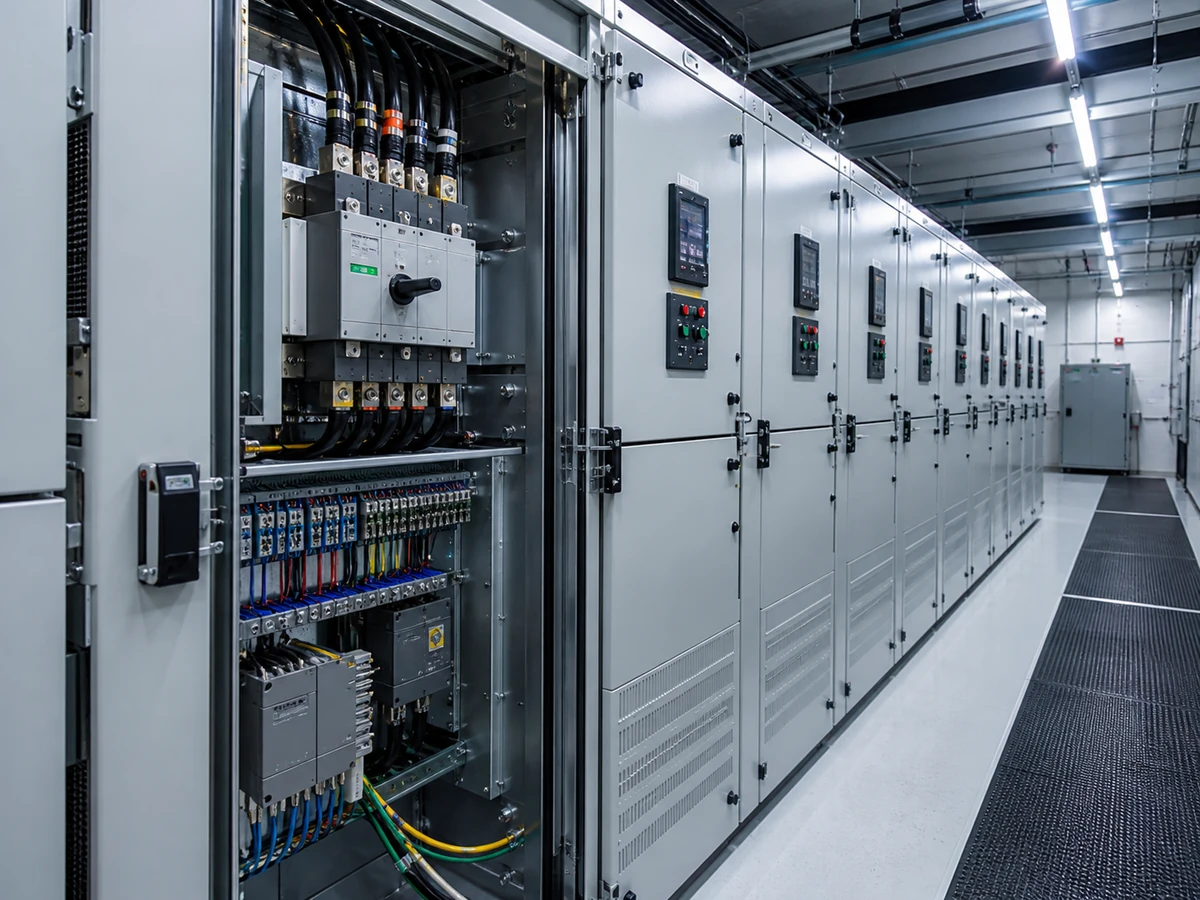
Equipment loading
Transformer, cable and switchgear loading is calculated under every scenario studied — peak demand, minimum load, single-contingency outage — identifying equipment approaching or exceeding continuous rating before it becomes an operational constraint. Loading results are cross-checked against the equipment's actual nameplate and any site-specific derating that applies.
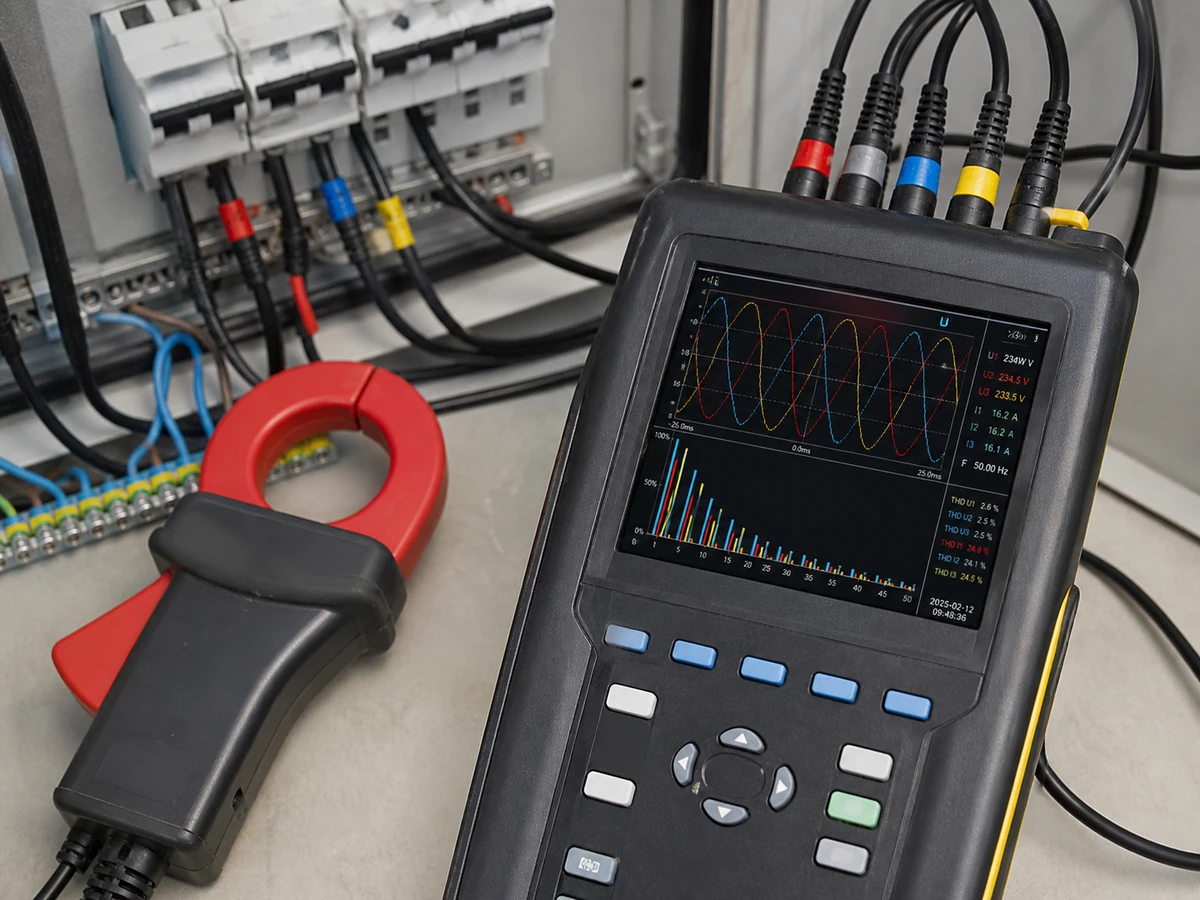
Power, losses & PF
Real and reactive power flow, current, system losses, voltage drop and power factor are calculated at every point of interest in the network, giving a complete picture of how the system actually performs under load rather than just whether voltage limits are met. Loss results feed directly into energy yield and efficiency assessments where relevant.

Operating scenarios
We model the full range of operating scenarios the system will realistically see — minimum and maximum load, grid-voltage variation at the point of connection, tie-breaker configurations and single-element outages — since a system that performs well at nominal conditions can still fail under a scenario that wasn't checked.
What you receive
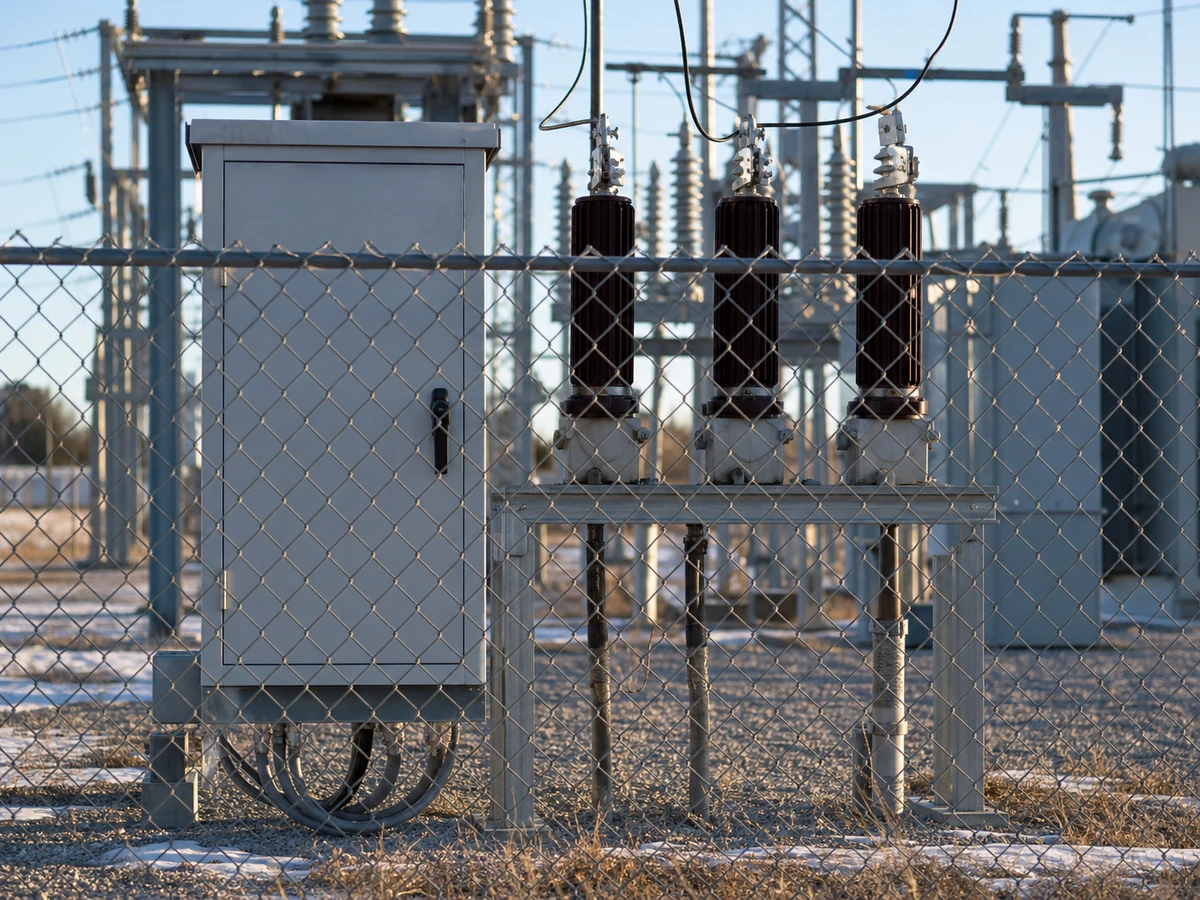
Voltage regulation
Where load flow results show voltage outside acceptable limits under any studied scenario, we identify where voltage-regulating equipment or power-factor correction is needed and size it to bring the system within limits across the full operating range, not just the specific scenario that triggered the finding.
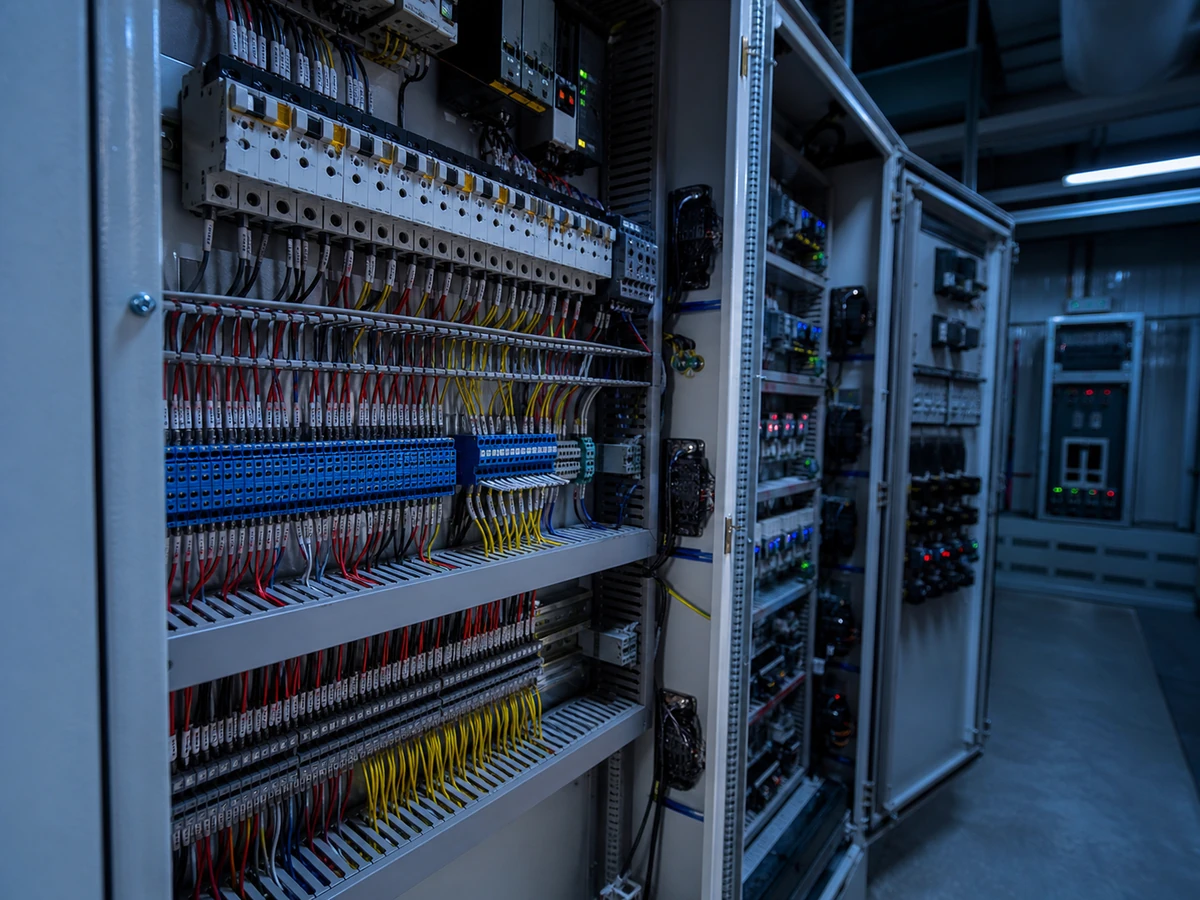
Taps & set-points
Transformer tap positions and generator or inverter voltage set-points are optimised from the load flow results to maintain acceptable voltage across the network's full operating range, with recommendations specific enough that they can be implemented directly in the equipment's control settings.

Equipment rating
We confirm equipment continuous ratings are adequate for the loading the load flow study identifies, and recommend de-rating or upsizing wherever a piece of equipment is found to be marginal under any of the operating scenarios studied, not just the nominal case.

Standards & tools
Studies are performed to IEEE 399 and IEEE 3002.2 methodology using industry-standard software — ETAP, DIgSILENT or PSS/E depending on the project — with the specific software, model version and study assumptions documented so results can be independently verified or updated later.