
Short Circuit Study
Symmetrical and asymmetrical fault-level calculation to size and rate equipment.
Fault levels you can design to
NEWATT calculates maximum and minimum fault currents at every bus and compares them against equipment short-time and breaking ratings.
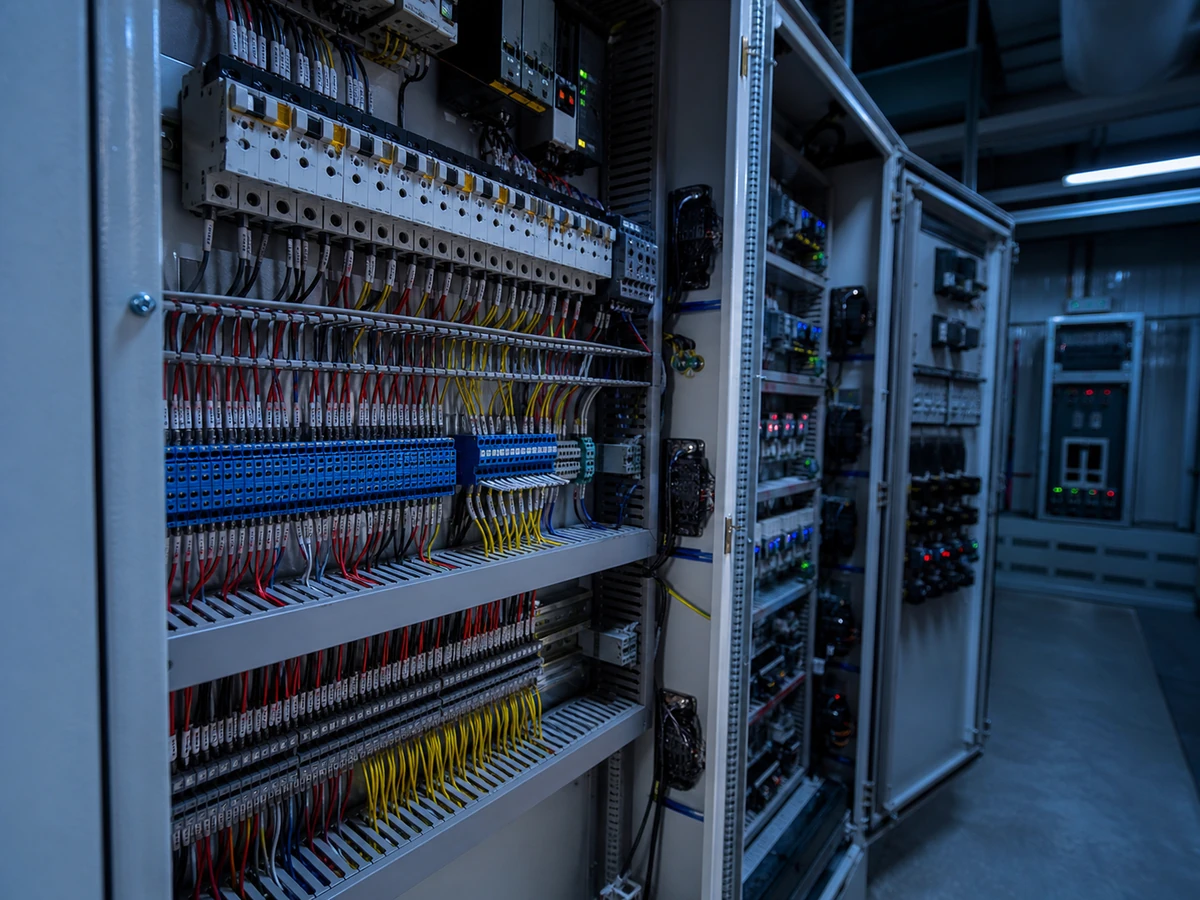
Study scope
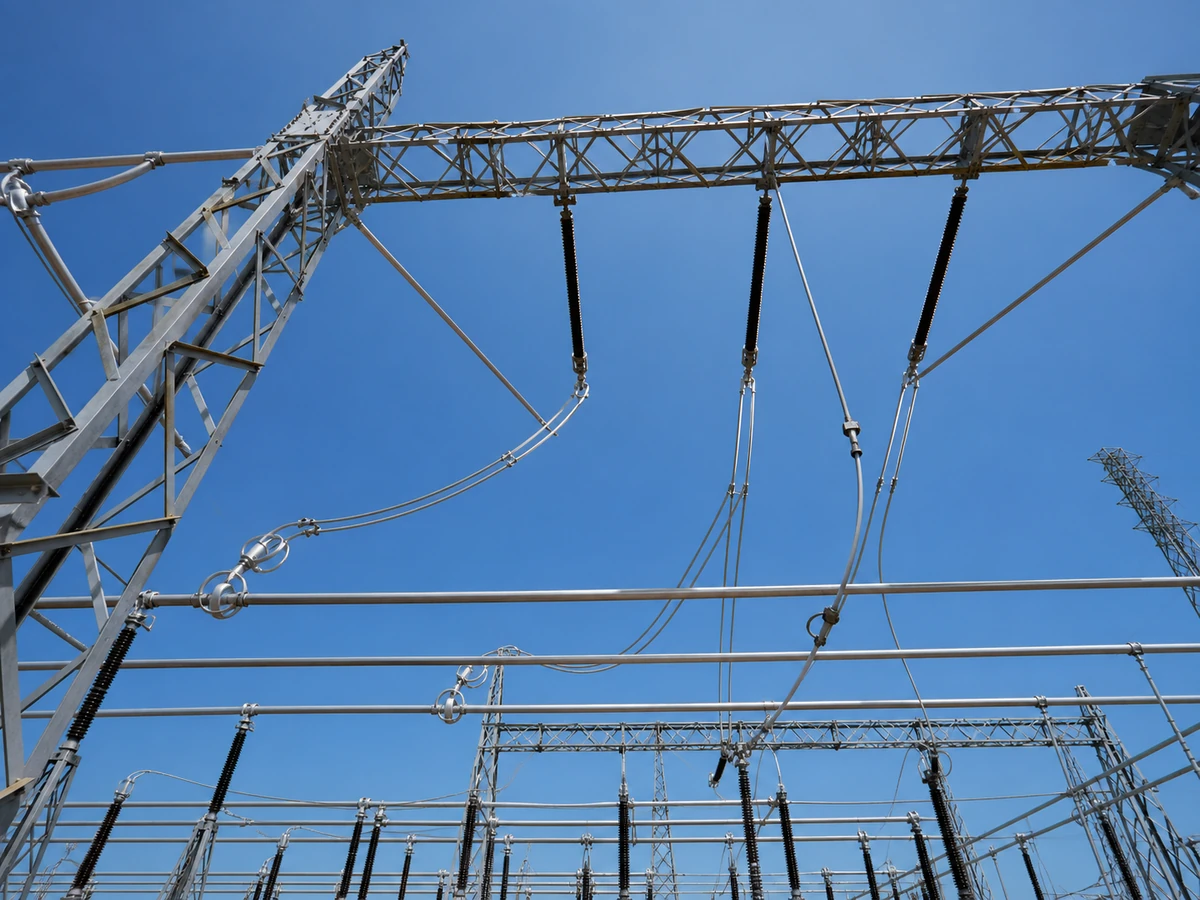
Fault levels
Three-phase and single-line-to-ground fault current is calculated at every bus in the network, since these are typically the two fault types that govern equipment rating and protection settings, with results reported for both maximum and minimum fault conditions where the difference matters for protection coordination.
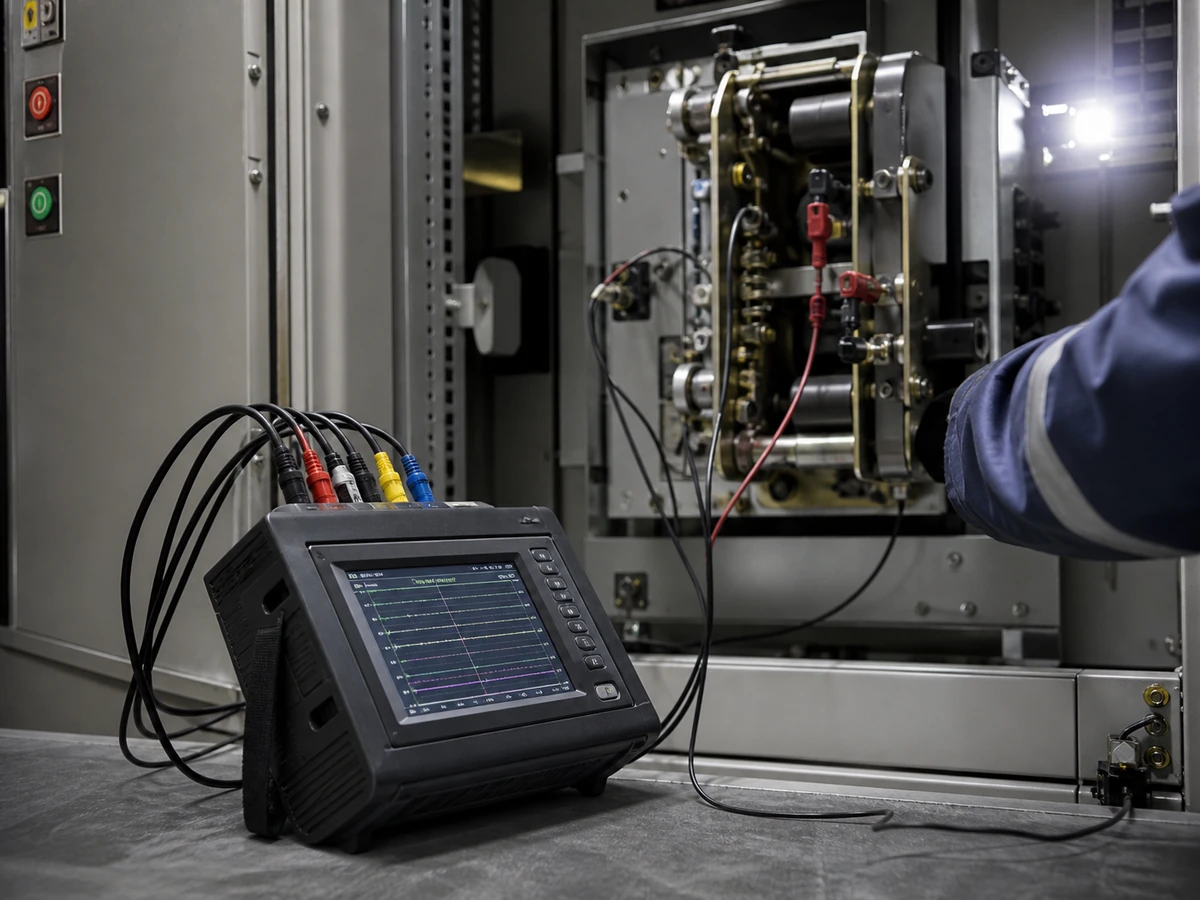
Equipment ratings
Breaking, making and short-time withstand ratings of switchgear and other fault-carrying equipment are checked against the calculated fault current at their specific location, flagging any equipment where calculated fault current exceeds — or comes uncomfortably close to — its rated capability.

Peak & RMS
Peak asymmetrical current, RMS current and the DC offset component are all evaluated for each fault case, since equipment withstand ratings are typically specified against these specific quantities rather than the steady-state symmetrical fault current alone.

Contribution analysis
We break down fault current contribution by source — utility, generators, motors, inverter-based resources — since understanding which sources drive fault current at a given bus is essential for protection coordination and for assessing the impact of adding or removing a source from the network.
How we deliver
Standards
Short circuit studies are performed to IEC 60909 or ANSI/IEEE C37 methodology depending on the project's governing standard, with the specific edition and any regional variations documented so results are consistent with what equipment suppliers and reviewing authorities expect to see.

Software
Studies are modelled in ETAP or DIgSILENT PowerFactory to a level of network detail that reflects actual equipment impedances and configuration, with the model handed over to the client so studies can be updated as the network changes rather than needing to be rebuilt from scratch.

Outcomes
Findings identify equipment adequacy issues and recommend de-rating, upsizing or fault-current limiting measures where calculated fault levels exceed equipment capability, prioritised by which findings represent an actual safety or reliability risk versus a comfortable margin already in hand.